
Why the question is fair — and why the answer is split
If you have only ever seen Türkiye through social-media adverts for hair transplants, dental veneers, and discount cosmetic surgery, scepticism about cancer care is reasonable. That viral market is real, it is enormous, and at its low end it is genuinely a "mill" — high volume, aggressive marketing, and uneven quality. So the prejudice has a basis.
But it is a mistake to judge a country's oncology by its cosmetic tourism. They run on different hospitals, different doctors, and different rules. The same way a country can have both budget cosmetic clinics and serious cancer centres, Türkiye's large university and private hospital groups treat blood cancers, solid tumours, and complex surgical cases for domestic patients every day — long before any international patient arrives.
This article makes two honest claims at once. First: at its best, cancer care in Türkiye is genuinely strong, with internationally accredited hospitals, modern technology, and respected specialists. Second: "strong" is not the same as "the best in the world," and Türkiye's real advantages are not what marketing usually claims. Holding both ideas together is the only honest way to answer the question.
The serious side: accreditation, technology, and named experts
Three things separate genuine cancer medicine from the cosmetic-mill image.
Accreditation density. Türkiye is among the countries with the most Joint Commission International (JCI)-accredited hospitals in the world — more than 30 facilities, which you can check yourself in JCI's public registry of accredited organisations. JCI is the same international hospital-safety standard used to benchmark leading hospitals worldwide. It does not guarantee a good outcome for any one person, but it means a hospital's safety and quality processes have been independently inspected against a recognised bar — something a back-street cosmetic clinic simply does not have.
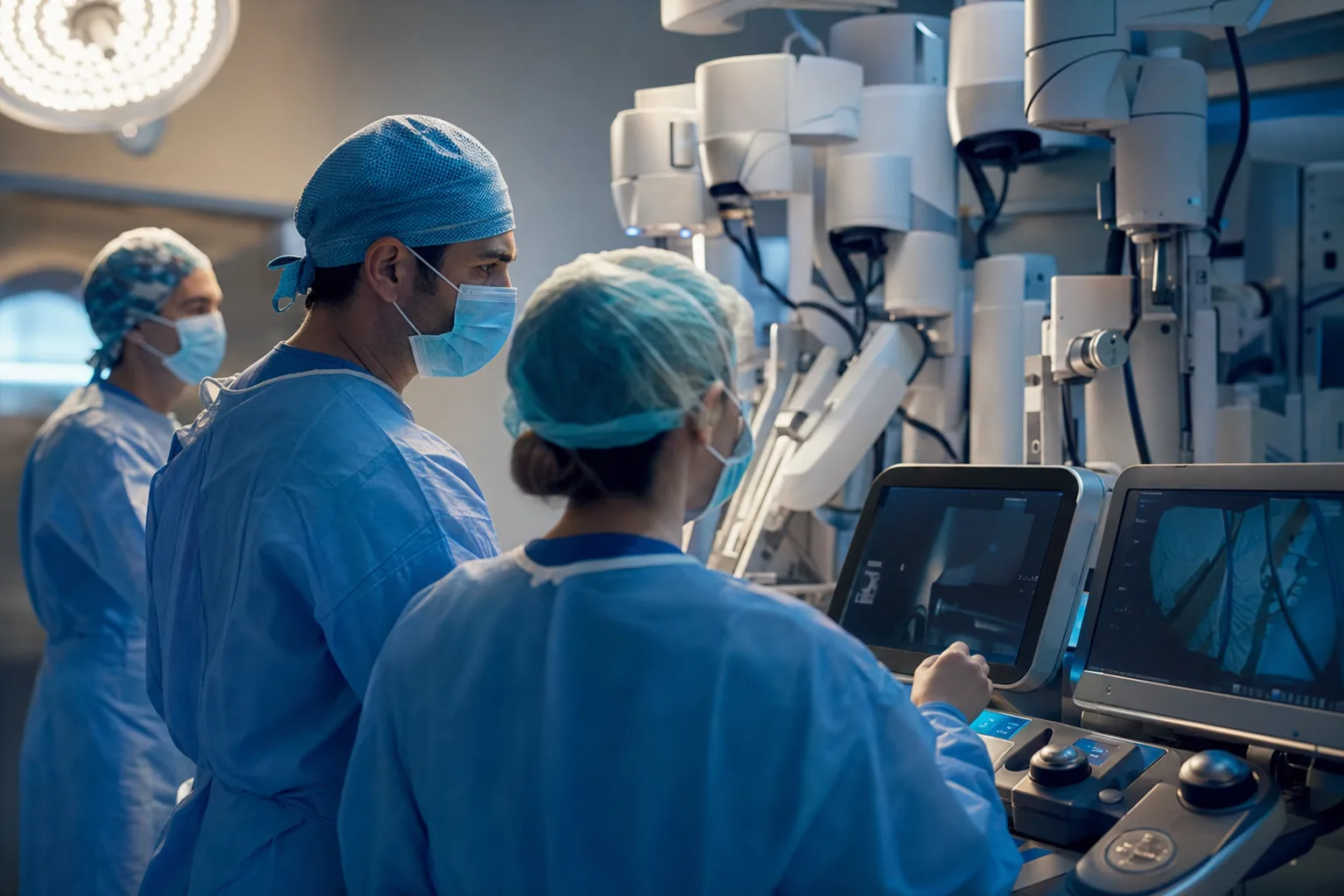
Technology. Major centres run modern radiotherapy, PET-CT imaging, and da Vinci robotic surgery for cancers of the prostate, kidney, uterus, and bowel. This is the same robotic platform used in top Western hospitals, not a budget substitute.
Real, named specialists who publish. Many of the doctors in these departments are board-certified professors with international publications, not anonymous "surgeons" behind an ad. To give concrete examples from hospitals BergemHealth works with: Prof. Dr. Ali Murat Tatlı is a professor of medical oncology at Memorial Antalya; Prof. Dr. Ali İrfan Emre Tekgündüz is a hematology and bone-marrow-transplant professor at Memorial Bahçelievler. Türkiye is also home to genuine medical firsts — surgeons at Akdeniz University in Antalya performed the world's first uterus transplant from a deceased donor in 2011, work that drew international attention. These are verifiable people and milestones, the opposite of the faceless cosmetic-mill stereotype.
The honest counterweight: what Türkiye is not best at
A trustworthy guide has to say the uncomfortable part out loud: being good is not the same as being best, and for some patients another country is the right answer.
Access to the newest drugs. If your cancer depends on a very new targeted therapy or immunotherapy, the country that approved and reimbursed that drug first may matter more than price. Germany, for example, is widely cited as having among the fastest access to newly approved medicines in Europe, because new drugs can be used there as soon as they are licensed, before final pricing is agreed. The United States and parts of Western Europe also lead in early-phase clinical trials. For a patient whose best option is an experimental or just-launched drug, those markets — not Türkiye — may be the stronger choice.
Cutting-edge and rare therapies. Some highly specialised treatments (certain advanced cell therapies, very rare cancer subtypes, niche surgical techniques) are concentrated in a handful of global centres. Türkiye does many things well; it does not do everything first.
So Türkiye's real edge is not "the best medicine on earth." Its edge is a combination of competitive price, fast scheduling, a high density of accredited hospitals, and strong Russian- and English-speaking patient services — getting you well-run, internationally benchmarked care quickly and affordably. That is a genuinely valuable proposition. It is just a different one from "world-leading," and you deserve to know which you are buying.
What "world-class" actually means for your case
"World-class" is meaningless as a country-wide label. Cancer care is not one thing — it is a chain of decisions, and the right country depends on where you are in that chain.
- For diagnosis and a second opinion: Türkiye's accredited centres and English/Russian-speaking teams make it fast and affordable to get modern imaging, pathology review, and an expert opinion — often within days rather than weeks.
- For standard, well-established treatment (common surgeries, standard chemotherapy and radiotherapy protocols, robotic surgery for common cancers): the gap between a good Turkish centre and a top Western one is usually small, and the price difference can be large.
- For a brand-new drug or trial-only therapy: the country that has that specific treatment available matters more than anything else — and that may not be Türkiye.
The practical takeaway: judge the specific hospital, department, and doctor for your specific diagnosis — never the country as a whole, and never the marketing.
How to tell serious oncology from a marketing mill
The single most useful skill is separating a real cancer centre from a clinic that treats you as a sales lead. Before committing, check:
- Accreditation you can verify. Look for JCI accreditation and national licensing you can confirm independently — not a logo on a brochure.
- A named, board-certified oncologist or surgeon with traceable credentials and publications — not an anonymous "team" or a salesperson who quotes a price before seeing your scans.
- A multidisciplinary tumour board. Serious centres discuss each case across oncology, surgery, radiology, and pathology. Ask whether your case will go to one.
- An itemised written plan that names the actual drugs, doses, and number of cycles — and is honest about what is not included if complications arise.
- Honesty about prognosis. Be very cautious of anyone who promises a cure, downplays risk, or pressures you to book quickly. Real oncologists are frank about both benefit and danger.
BergemHealth's role here is to be the patient's side of that table. Our concierge service is free for patients — we are paid by partner hospitals, not by you — and we are not an anonymous aggregator reselling whoever pays most. We route you to named professors at accredited hospitals, help you get a written plan in a language you understand, and will tell you plainly when going abroad is the right move and when it is not.
A note on palliative and advanced-stage care
Not every cancer journey is about cure, and an honest guide must say so. If a cancer is advanced, the most caring decision is sometimes not to fly across borders chasing one more treatment, but to focus on comfort, dignity, and time with family closer to home. Long flights, foreign hospitals, and the stress of travel can take more than they give when the realistic goal has shifted to quality of life rather than cure.
Good oncology includes good palliative care — controlling pain and symptoms, supporting the family, and being truthful about what treatment can and cannot achieve. If you are weighing treatment abroad for advanced disease, ask your doctors directly whether the aim is cure, control, or comfort, and let that honest answer guide the decision. We would rather give you a clear-eyed second opinion — including "this trip may not help" — than sell a flight that is not in your interest.