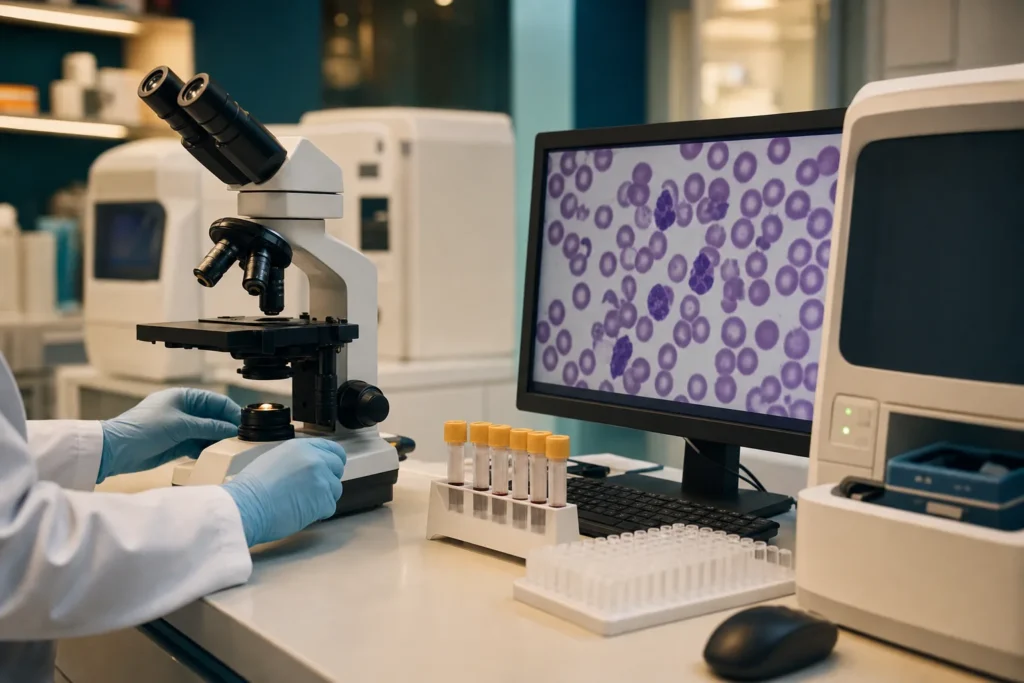
Tropical infections
"Tropical infections" is an umbrella term for a wide group of illnesses that are more common in the warm, humid regions of the world. If you have travelled, lived, or worked somewhere tropical and feel unwell, it is natural to worry. The reassuring truth is that most of these infections are well understood, many are preventable, and a great number are fully treatable when caught and managed by the right specialist. This guide explains, in plain words, what tropical infections are, how doctors find and treat them, and how to prepare if you are considering care in Turkiye.
What tropical infections are
"Tropical infections" is not a single disease. It is a broad family of infections caused by germs and parasites that are more common in the tropics and subtropics, the warm regions on either side of the equator. They are sometimes also called tropical diseases. Because the climate suits the insects, snails, and other living things that carry these germs, the infections circulate more easily there than in cooler climates.
The germs themselves come in several forms. Some are parasites (tiny living organisms that live in or on another body), some are viruses, some are bacteria, and a few are worms. Well-known examples include malaria, dengue, chikungunya, typhoid fever, schistosomiasis (also called bilharzia), leishmaniasis, and yellow fever.
Many of these are spread by an in-between carrier called a vector (usually a biting insect such as a mosquito or sandfly). Others spread through unclean food or water, or through contact with contaminated freshwater. The World Health Organization (WHO) groups twenty-one of the lesser-known conditions under the label neglected tropical diseases, because they mainly affect poorer communities and have historically received less research attention. WHO estimates that around one billion people are affected by these neglected tropical diseases.
For travellers and people who have recently lived abroad, the picture is reassuring in one important way: the infections most likely to affect you are also the ones doctors know best, and many can be prevented before you travel or treated effectively afterwards.
Types and subtypes
It helps to sort tropical infections by what causes them and how they spread. Knowing the category makes the rest of this guide easier to follow.
Mosquito-borne infections. These are passed on by the bite of an infected mosquito. The most important is malaria, caused by a parasite spread by Anopheles mosquitoes. Dengue and chikungunya are viral infections spread mainly by Aedes mosquitoes, which tend to bite during the day. Yellow fever is another mosquito-borne virus found in parts of Africa and South America.
Food- and water-borne infections. These spread through contaminated food or drinking water. Typhoid fever, a bacterial infection, is a leading example and is most often linked to travel in parts of South Asia.
Freshwater-contact infections. Schistosomiasis (bilharzia) is caused by parasitic worms whose larvae live in certain freshwater snails. People become infected when their skin touches contaminated rivers, lakes, or canals.
Other insect-borne infections. Leishmaniasis is caused by Leishmania parasites spread by the bite of tiny sandflies. It comes in three main forms: a skin form (cutaneous), a more serious form affecting internal organs (visceral, also called kala-azar), and a form affecting the lining of the nose, mouth, and throat (mucocutaneous).
This list is not exhaustive. The WHO neglected tropical diseases group also includes conditions such as Chagas disease, sleeping sickness, lymphatic filariasis, river blindness, leprosy, and others. The point is not to learn them all, but to understand that a tropical infection is identified by matching your symptoms, your travel history, and laboratory tests.
Causes and risk factors
The single biggest factor is where you have been. Tropical infections are tied to specific regions and even specific activities. Spending time in an area where malaria circulates, for example, is what creates the risk; the parasite cannot reach you otherwise.
Common risk factors include:
- Travel or residence in tropical or subtropical regions, particularly rural areas, and especially during or after the rainy season when mosquitoes are most active.
- Mosquito and insect exposure. Not using repellent, sleeping without a treated bed net, or being outdoors at biting times raises the chance of mosquito- and sandfly-borne infections.
- Eating or drinking unsafe food and water. Untreated water, ice, unpasteurised dairy, raw foods, and food washed in unclean water can carry typhoid and other infections.
- Contact with freshwater. Swimming, wading, or washing in lakes, rivers, or canals in regions where schistosomiasis occurs.
- Not having recommended vaccines or preventive medicine before travelling.
Some people are more vulnerable to a severe course, including young children, pregnant women, older adults, and people whose immune system (the body's defence against infection) is weakened. Importantly, most tropical infections are not spread person to person in the way a cold or flu is. Malaria, for instance, is passed only by mosquitoes, not by casual contact.
Signs and symptoms, and when to see a doctor
Symptoms vary widely depending on which infection is involved, but several patterns appear again and again. The most common is fever, often with chills, headache, muscle aches, and tiredness, which can resemble flu. This makes the illness easy to dismiss at first, which is exactly why your travel history matters so much.
Some distinctive clues doctors look for:
- Malaria: fever, chills, headache, and muscle aches. If untreated it can progress to serious complications such as confusion, seizures, or kidney failure, so it is always treated as urgent.
- Dengue: high fever, severe headache, pain behind the eyes, muscle and joint pain, nausea, and rash. Most cases are mild, but warning signs of severe dengue include severe tummy pain, persistent vomiting, fast breathing, bleeding gums or nose, and blood in vomit or stool.
- Chikungunya: sudden fever with severe joint pain, which can last days to weeks and occasionally much longer.
- Typhoid fever: a fever that climbs gradually over days, with headache, tiredness, and stomach upset; constipation or diarrhoea often comes later.
- Schistosomiasis: often no early symptoms; some people get a rash within days, then fever, chills, cough, and aches within one to two months.
When to seek care: See a doctor promptly if you develop a fever during or within a year of travel to a tropical region. Seek urgent medical attention for a high fever after travel to a malaria area, for any warning sign of severe dengue listed above, or for severe vomiting, confusion, difficulty breathing, or bleeding. When in doubt, it is always reasonable to get checked. Fever after tropical travel should never be ignored.
Screening and early detection
For most tropical infections there is no routine population screening the way there is for, say, some cancers. These infections are not common enough in the general population to make blanket testing useful. Instead, "early detection" depends on two things: prevention before exposure, and quick testing the moment symptoms appear in someone with a relevant travel or residence history.
There are a few specific situations where testing without symptoms makes sense. People who have had freshwater contact in a schistosomiasis area may be tested even if they feel well, because the infection can be silent at first. Health authorities advise waiting about six to eight weeks after the freshwater contact before testing, so that the body has time to produce a detectable response. Some migrants and long-term travellers from high-risk regions are also offered targeted screening for certain infections.
The most powerful "early detection" tool, however, is simply being aware. If you know which infections occur where you have been, you and your doctor can act on the first sign of fever rather than waiting. Keeping a record of your travel dates and destinations is genuinely useful clinical information.
How tropical infections are diagnosed
Diagnosis combines three ingredients: your story, your examination, and laboratory tests. The story is crucial. Tell your doctor every country you visited, the dates, whether you took malaria prevention, what you ate and drank, whether you were bitten by insects, and whether you had freshwater contact. This guides which tests are run first.
Common tests include:
- Blood tests. A blood sample examined under the microscope, or a rapid test, confirms malaria and identifies the parasite type. Blood tests also detect dengue and chikungunya. For these viruses, a test that looks for the virus directly (called RT-PCR) is most useful in the first week of illness, while antibody tests, which detect the body's immune response, are more useful later.
- Stool and urine tests. Used for typhoid fever and for schistosomiasis (where eggs may be found in urine or stool).
- Skin or tissue samples. For cutaneous leishmaniasis, a small sample from a skin sore can confirm the parasite.
- Imaging. Ultrasound or other scans may be used to check organs such as the liver and spleen when an infection can affect them.
Some tropical infections require a precise diagnosis before treatment because the right medicine depends on the exact germ or parasite species, and sometimes on the region where it was caught. This is why specialist laboratories and infectious-disease physicians are so valuable. Unlike cancers, tropical infections are not given a numbered "stage"; instead doctors describe them by severity (for example, uncomplicated versus severe malaria), which shapes the treatment plan.
Treatment options
Treatment depends entirely on which infection you have, so the first step is always an accurate diagnosis. The encouraging news is that many tropical infections can be cured, and most are managed by a clear, established plan.
Medicines that target the germ. Several tropical infections have specific, effective drugs:
- Malaria is treated with prescription antimalarial medicines that can treat and cure it; the exact drug depends on the parasite type, where it was caught, the severity, and the person's age and pregnancy status.
- Typhoid fever is treated with antibiotics; finishing the full course matters even after you feel better.
- Schistosomiasis is treated with a medicine called praziquantel, which is described by health authorities as safe and effective.
- Leishmaniasis is described as treatable and curable, with the choice of medicine depending on the form of the disease, the parasite species, and the region.
Supportive care. For viral infections such as dengue, chikungunya, and yellow fever there is no specific antiviral cure, so treatment focuses on helping the body recover: rest, fluids, and paracetamol for fever and pain. Anti-inflammatory painkillers such as ibuprofen are usually avoided in dengue because of bleeding risk. In severe cases, hospital care provides close monitoring and fluids.
Procedures and surgery. Most tropical infections are treated with medicine rather than surgery. Occasionally a procedure is needed to manage a complication, for example draining a collection of fluid or treating organ damage caused by long-standing infection.
The multidisciplinary team. Good care usually involves more than one specialist working together: an infectious-disease physician, microbiology and laboratory experts, and, depending on the infection, specialists such as a liver doctor, dermatologist (skin specialist), or others. This team approach helps ensure the diagnosis is right and the treatment is complete.
Outlook and what to expect
For most travellers and most infections, the outlook is good when the illness is recognised and treated promptly. Many tropical infections are fully curable. Typhoid fever, for example, usually responds to antibiotics, with people often improving within a few days of starting treatment. Schistosomiasis and leishmaniasis are treatable, and uncomplicated malaria treated early generally clears with the right medicine.
Recovery time varies. Mild dengue typically resolves within one to two weeks. Chikungunya fever usually settles in days, although the joint pain can sometimes linger for weeks or, in a minority of people, longer. Some infections, if left untreated for a long time, can cause lasting harm; visceral leishmaniasis (kala-azar), for instance, is described by WHO as fatal in over ninety-five percent of cases if untreated, which is precisely why getting diagnosed and treated matters so much.
These figures describe populations, not any single person. They cannot predict your individual outcome, which depends on the specific infection, how early it is caught, your overall health, and the care you receive. The most important factor within your control is acting early. If you feel unwell after tropical travel, seeing a qualified specialist quickly gives you the best chance of a smooth recovery.
Living with it and follow-up
Most people who are treated for a tropical infection recover fully and need only short-term follow-up. The aims of follow-up are to confirm the infection has cleared, to watch for any complications, and to support recovery.
What follow-up looks like depends on the infection:
- Repeat tests may be done to confirm a parasite or germ has gone, for example after treatment for malaria or schistosomiasis.
- Monitoring for after-effects. Some people who had dengue or chikungunya feel tired or have aching joints for a while; this usually eases over time, and a doctor can advise on gentle activity and pain relief.
- Care of skin sores. After cutaneous leishmaniasis, skin lesions may leave a scar, and wound care or follow-up can help.
Practical self-care during recovery includes resting, drinking enough fluids, eating well, and taking any medicines exactly as prescribed, finishing the full course even if you feel better. It also helps to keep a simple record of your diagnosis, the medicines you took, and your travel history, which is useful if symptoms return or if you travel again. If you become unwell again after recovering, or if new symptoms appear, contact your doctor, because a few infections can recur or have a delayed onset.
Planning treatment abroad: what affects cost and how to prepare your records
If you are considering having tests or treatment for a tropical infection in Turkiye, it helps to understand what shapes the overall cost, and how to prepare so your care is smooth and well coordinated. We do not list prices here, because the right figure depends entirely on your individual situation. The most reliable way to get a realistic estimate is to request a personalised quote through a free consultation.
Factors that affect cost typically include:
- Which infection is suspected or confirmed, and how complex it is to diagnose. Some infections need specialised laboratory tests.
- The tests required, such as blood tests, stool or urine analysis, microscopy, molecular (PCR) tests, imaging, or tissue samples.
- The treatment needed, for example a course of specific medicine, supportive care, or, rarely, a hospital stay for monitoring.
- Whether inpatient care is needed versus outpatient (day-clinic) management.
- Consultations with specialists and any follow-up visits or repeat tests.
- Practical items such as translation, transfers, and accommodation if you are travelling for care.
How to prepare your records. Before any consultation, gather: a detailed travel history (countries, dates, activities, insect or freshwater exposure, and whether you took malaria prevention or vaccines); a list of your symptoms and when they started; any previous test results, scans, or discharge letters; your current medicines and allergies; and your vaccination record. Sending these in advance lets the medical team plan the right tests, avoid duplication, and give you a clearer estimate. If your documents are in another language, simple translations or scans are usually enough to begin.
Why Turkiye, and how to choose a good centre
Turkiye has a large, modern private healthcare sector and is an established destination for international patients, with infectious-disease departments, microbiology laboratories, and specialist physicians available in major hospitals. For someone needing diagnosis and treatment of a tropical infection, the practical attractions are access to specialist laboratory testing, English-speaking teams in many international-patient units, and coordinated multidisciplinary care.
Rather than looking for the "best" or "top" clinic, which are claims no one can verify, focus on what you can check for yourself:
- Accreditation. Look for hospitals with recognised quality accreditation (for example, international hospital accreditation) and a licensed laboratory.
- Specialist team. Confirm there is a qualified infectious-disease physician (and a microbiology laboratory) involved in your care, not only general staff.
- Laboratory capability. Ask whether the centre can perform the specific tests your case needs, such as malaria microscopy or molecular (PCR) testing.
- Clear information. A good centre explains your diagnosis, the proposed tests and treatment, and what to expect, and gives you written records.
- Continuity of care. Check how follow-up and any repeat testing will be handled, including after you return home.
It is also wise to confirm that any treatment plan follows recognised international guidance, and to feel free to ask questions or seek a second opinion. A reputable centre will welcome that. A concierge service can help by gathering your records, arranging the right specialist, and translating between you and the medical team.
Prevention and self-care
Prevention is the most powerful tool against tropical infections, and much of it is straightforward. Before you travel, see a travel-health clinic or your doctor several weeks ahead to discuss your destination. They can advise on vaccines (for example, typhoid and yellow fever for relevant regions) and on preventive medicine for malaria, which is taken before, during, and after travel to malaria areas.
While travelling and afterwards, simple habits make a real difference:
- Avoid mosquito and insect bites. Use an approved insect repellent (such as one containing DEET, IR3535, or icaridin), wear long sleeves and trousers, and sleep under a treated bed net where needed. This protects against malaria, dengue, chikungunya, yellow fever, and leishmaniasis.
- Eat and drink safely. Choose bottled or boiled water, avoid ice of unknown origin, eat food that is thoroughly cooked and served hot, and avoid raw foods and unpasteurised dairy. This helps prevent typhoid and other food- and water-borne infections.
- Avoid risky freshwater. Do not swim, wade, or wash in lakes, rivers, or canals in areas where schistosomiasis occurs.
- Reduce breeding sites. Emptying and cleaning water containers helps control the mosquitoes that spread dengue and chikungunya.
Finally, keep an eye on your health for some time after returning. If you develop a fever or feel unwell within a year of travel, mention your trip to any doctor you see, even for an unrelated problem. Early awareness, combined with these everyday precautions, prevents the great majority of serious outcomes from tropical infections.
Frequently asked questions
What exactly counts as a tropical infection?
I have a fever after travelling. Should I worry?
How are tropical infections diagnosed?
Are tropical infections curable?
Can I catch a tropical infection from another person?
Can tropical infections be prevented before I travel?
How long after exposure do symptoms appear?
Why might someone travel to Turkiye for diagnosis or treatment?
How much does treatment cost?
What records should I prepare before a consultation?
Will I need long-term follow-up after treatment?
Is there a vaccine for tropical infections?
This article is for general information only and is not medical advice. Always consult a qualified doctor about your individual case.
Considering this procedure?
Send us your photos and questions. A BergemHealth coordinator and a department-head specialist will review your case and reply with honest, personalised guidance — no obligation.
Free consultation