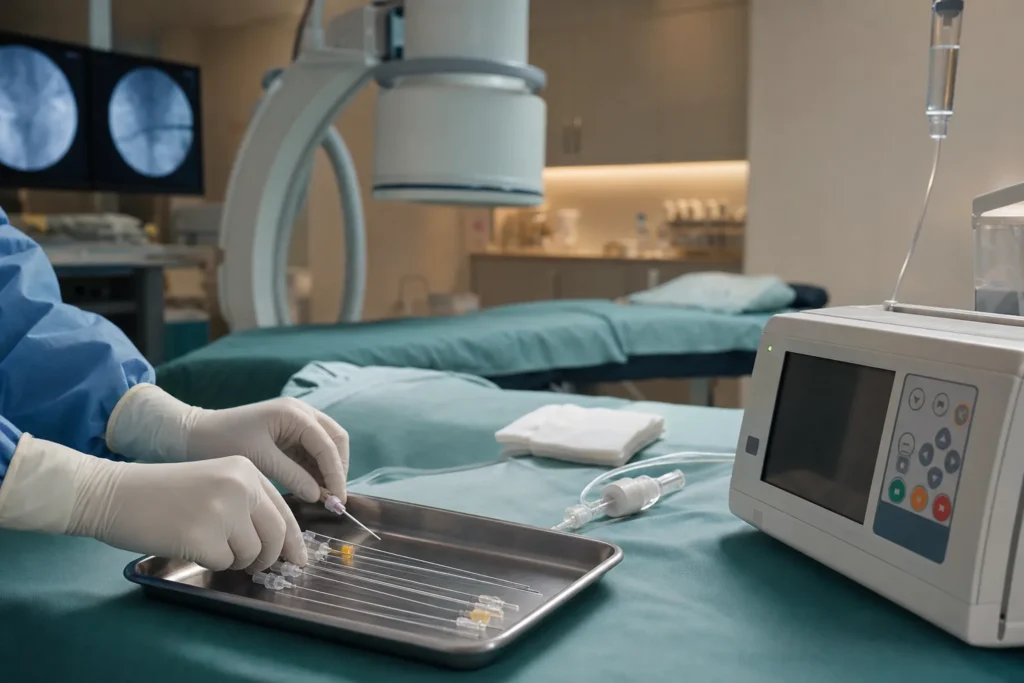
Cancer pain management
Living with cancer pain can feel overwhelming, but in most cases pain can be brought under good control. This calm, plain-language guide explains what cancer pain is, why it happens, how doctors assess and treat it step by step, and how to plan care, including what to think about if you are considering treatment in Turkiye.
What cancer pain is
Cancer pain is any discomfort caused by cancer itself or by its treatment. It can feel sharp or dull, burning or throbbing, steady or sudden, and it can appear almost anywhere in the body. Pain is one of the most common symptoms people with cancer experience, but it is important to know two things from the start: pain is not inevitable, and when it does occur it can usually be controlled.
How common is it? Estimates vary because cancer is many different conditions. Across many studies, a large share of people having active cancer treatment report some pain, and pain is more common in advanced disease. A 2022 systematic review found that roughly half of people with advanced, spreading, or terminal cancer reported pain, and about a third described it as moderate or severe. Many people with early-stage cancer have little or no pain at all, and some never develop it.
It also helps to understand that the amount of pain does not reliably tell you how advanced a cancer is. Pain depends on where a tumour sits and what it presses on, not simply on how big it is. A small growth near a nerve can hurt a great deal, while a larger one elsewhere may cause none. The goal of cancer pain management is straightforward: to reduce pain enough that you can sleep, move, eat, and live as fully as possible, and to keep adjusting the plan as things change.
Types and subtypes of cancer pain
Doctors group cancer pain in a few overlapping ways. Knowing the type matters because different kinds of pain respond to different treatments.
By how long it lasts:
- Acute pain comes on relatively quickly and usually settles within days or weeks, for example after surgery or a procedure.
- Chronic pain lasts three months or more. It may come from the cancer itself or linger as a long-term effect of treatment.
By what is causing it (the mechanism):
- Nociceptive pain comes from damage to body tissue. It can be somatic (from skin, muscle, or bone, often a dull, aching, well-located pain such as bone pain) or visceral (from internal organs, often a deeper, harder-to-pinpoint ache or pressure).
- Neuropathic pain (nerve pain) comes from pressure on or damage to nerves. People often describe it as burning, tingling, shooting, or stabbing, sometimes with numbness. Chemotherapy can cause a form of this called peripheral neuropathy, often felt in the hands and feet.
Other patterns you may hear about:
- Breakthrough pain is a sudden flare that breaks through medicines that otherwise control the pain well.
- Referred pain is felt in a different place from where the problem is, for example liver involvement sometimes felt as shoulder pain.
- Phantom pain is a sensation that seems to come from a body part that has been removed by surgery.
Causes and risk factors
Cancer pain has three broad sources, and many people have a mix of them.
The cancer itself. A tumour can press on or grow into nearby tissues, nerves, bones, or organs. Bone involvement (sometimes from cancer that has spread to the bones) is a common cause of pain, as is pressure on nerves or the spinal cord.
Cancer treatment. Pain can be a side effect of treatment aimed at the cancer. Surgery causes wound and post-operative pain. Chemotherapy can lead to mouth soreness (mucositis), nerve pain in the hands and feet, and muscle or joint aches. Radiotherapy can cause skin reactions and inflammation in the treated area. Some supportive medicines, such as drugs that boost blood-cell production, can cause temporary bone aches.
Tests and procedures. Diagnostic steps such as a biopsy (taking a small tissue sample) or other procedures can cause short-lived pain.
Pain may also come from something unrelated to the cancer, such as arthritis. Factors that can make pain harder to control include nerve involvement, several pain sources at once, and the natural way stress, poor sleep, and low mood can amplify how pain feels. None of these are your fault, and each can be addressed as part of the overall plan.
Signs and symptoms, and when to see a doctor
Pain is personal, so the most useful thing you can do is describe it clearly. Helpful details include where it is, what it feels like (aching, burning, stabbing, cramping), how strong it is, when it started, what makes it better or worse, and how it affects your sleep, appetite, mood, and daily activities.
Care teams often ask you to rate pain on a simple 0 to 10 scale, where 0 is no pain and 10 is the worst you can imagine, with 1 to 3 counted as mild, 4 to 6 moderate, and 7 to 10 severe. Keeping a short pain diary, noting the score, the time, and which medicines you took, helps your team find patterns and fine-tune treatment.
Tell your team promptly if you notice:
- New pain, or pain that is getting steadily worse
- Pain that stops you sleeping, eating, or moving normally
- Pain that your current medicines no longer control
- Side effects from pain medicines, such as constipation, drowsiness, or nausea
Seek urgent medical help for sudden severe pain, new weakness, numbness, or tingling in the legs, difficulty passing or controlling urine, or back pain with these nerve symptoms, as these can signal pressure on the spinal cord that needs rapid assessment. There is no need to be brave and put up with pain. Reporting it early is part of good treatment, not a complaint.
Screening and early detection
There is no population screening test for cancer pain in the way there is for some cancers themselves. Instead, the equivalent of screening is routine, repeated pain assessment built into cancer care. Good teams ask about pain at appointments, not only when you raise it, because pain is sometimes under-reported, particularly by older people who may assume it must simply be tolerated.
This matters because pain is often picked up and treated late. You can help early detection by mentioning any new or changing discomfort as soon as it appears, even if it seems minor, and by bringing your pain diary to appointments. The earlier pain is identified, the easier it usually is to bring under control, and the less chance it has to disturb sleep and mood, which in turn can make pain feel worse. If your team does not ask about pain, it is entirely reasonable to raise it yourself.
How cancer pain is diagnosed and assessed
Managing pain well starts with understanding it. Your team will take a careful history of your pain and examine you, including a check of the nervous system if nerve pain is suspected. The aim is to work out the type of pain (for example tissue pain versus nerve pain), its likely cause, and its impact on your life.
To find the cause, doctors may use:
- Imaging tests such as X-rays, CT, MRI, or bone scans to see whether a tumour is pressing on bone, nerves, or organs.
- Blood tests to check organ function, which can affect which medicines are safest.
- The pain assessment itself, including the 0 to 10 scale and questionnaires that capture how pain affects mood, sleep, and function.
Unlike many cancers, pain is not formally staged. Instead, your team grades its severity (mild, moderate, or severe) and re-checks it regularly, because pain can change as the cancer or its treatment changes. Pinning down the type and cause is what allows treatment to be matched to your situation rather than applied as a one-size-fits-all approach.
Treatment options for cancer pain
Most cancer pain is treated with a stepwise, personalised plan. A widely used framework is the World Health Organization (WHO) analgesic ladder, summarised as by the mouth, by the clock, by the ladder: where possible take medicines by mouth, at regular fixed times rather than only when pain peaks, and step up strength as needed.
- Step 1 (mild pain): non-opioid painkillers such as paracetamol (acetaminophen) and anti-inflammatory drugs (NSAIDs).
- Step 2 (moderate pain): a weaker opioid such as codeine or tramadol, usually alongside a non-opioid.
- Step 3 (severe pain): a stronger opioid such as morphine, oxycodone, fentanyl, hydromorphone, or buprenorphine, again often with a non-opioid.
This approach helps achieve good pain relief in around 70 to 80 percent of patients. Opioids come in many forms, including tablets, liquids, skin patches, and pumps, and faster-acting doses can be used for breakthrough pain. Side effects such as constipation, nausea, and early drowsiness are common but usually preventable or manageable; laxatives are routinely given with opioids.
Adjuvant medicines (drugs not primarily designed for pain but useful for it) are added when helpful: certain antidepressants and anti-seizure medicines (such as duloxetine, amitriptyline, gabapentin, or pregabalin) target nerve pain; corticosteroids reduce swelling around tumours; and bone-protecting drugs (bisphosphonates or denosumab) help bone pain from cancer that has spread to bone.
Cancer-directed treatments can themselves relieve pain by shrinking or removing the cause, including a short course of palliative radiotherapy for painful bone deposits, or surgery, chemotherapy, hormonal, or targeted therapy.
Procedural and interventional options are used when medicines alone are not enough, sometimes described as a fourth step of the ladder. These include nerve blocks (injecting local anaesthetic to interrupt pain signals), intrathecal or epidural pain pumps that deliver medicine close to the spinal cord, radiofrequency ablation to treat small painful tumours, and spinal cord stimulation.
Supportive and integrative care rounds out the plan: physiotherapy and gentle exercise, heat or cold, relaxation, hypnosis, acupuncture, and psychological support. These do not replace medical treatment but can meaningfully reduce how much pain intrudes. Care is best delivered by a multidisciplinary team, which may include oncologists, pain specialists, palliative care doctors and nurses, pharmacists, physiotherapists, dietitians, psychologists, and social workers.
Outlook: what to expect
The encouraging reality is that most cancer pain can be controlled. With careful use of the WHO ladder and the wider toolkit above, sources report good pain relief in roughly 70 to 80 percent of people, and additional interventional and supportive options exist for the rest. Reaching good control is often a process of trial and adjustment rather than a single prescription, so it is normal for your plan to be tweaked over days and weeks until it fits.
It is worth naming a common fear directly: needing strong painkillers such as morphine does not mean a person is near the end of life. Many people take strong painkillers for long periods, including for non-cancer conditions, and continue with everyday life. Pain control is about comfort and function, not a verdict on how the cancer will behave.
This article cannot predict any individual's experience. Whether pain settles quickly, what doses are needed, and how the underlying cancer responds all vary from person to person. Your own oncology and pain team, who know your full picture, are the right people to discuss what you can expect and to keep your plan working for you.
Living with cancer pain and follow-up
Day-to-day, a few habits make pain easier to live with. Take regular pain medicines on schedule rather than waiting for pain to build, since steady dosing controls pain with less medicine overall. Keep a small supply of fast-acting medicine for breakthrough pain if your team has provided it, and note when you use it. Stay ahead of constipation with fluids, fibre, and the laxatives your team recommends alongside opioids.
It helps to understand two terms that often cause worry. Physical dependence means the body adapts to a medicine over time, so it should be reduced gradually rather than stopped suddenly; this is normal and is not the same as addiction. Addiction (craving and harmful use) is rare when opioids are taken as prescribed for genuine pain. Tolerance (needing more for the same effect) is also uncommon, and if it happens the dose can be adjusted or the medicine changed.
Follow-up is ongoing rather than one-off. Expect regular reviews to check that pain control is working, to manage side effects, and to respond to any changes in the cancer or treatment. Bring your pain diary, be honest about what is and is not working, and ask about a referral to a specialist pain or palliative care team if your pain is complex; these teams focus on comfort and quality of life and can be involved at any stage, not only late on. Looking after sleep, gentle activity, and emotional wellbeing, with help from family, friends, or a counsellor, also lowers how much pain affects you.
Planning treatment abroad: what affects cost and how to prepare your records
If you are considering having cancer treatment and pain management abroad, including in Turkiye, it helps to understand what shapes the overall cost so you can plan realistically. We do not quote prices here because every situation is different; instead, we arrange a personalised estimate after reviewing your records.
Factors that affect the cost of pain-focused cancer care include:
- The type and stage of the underlying cancer, and whether treatment is aimed at the cancer, at the pain, or both
- Which treatments are involved, for example medicines alone versus procedures such as nerve blocks, an intrathecal pump, radiofrequency ablation, or palliative radiotherapy
- Diagnostic tests needed before treatment, such as scans and blood tests
- Whether care is outpatient or requires a hospital stay, and for how long
- The medical team and facility involved, and the level of international-patient support such as interpreters and coordinators
- Length of stay in the country, follow-up needs, and travel and accommodation for you and a companion
To prepare your records, gather recent imaging (CT, MRI, X-rays, bone scans) on disc or in digital form, pathology and biopsy reports, a summary of treatments you have already had, a current medicines list including pain medicines and doses, and recent blood test results. A clear, dated summary written by your current doctor is invaluable. Good records let a team give safer, more accurate advice and a more reliable estimate. The most practical next step is a free consultation, where we review your information and outline likely options and a personalised cost estimate.
Why Turkiye, and how to choose a good centre
Turkiye has become a well-established destination for international medical care, with a large number of hospitals that hold international accreditation and dedicated services for overseas patients, such as interpreters, care coordinators, and pre-travel video consultations. For pain management within cancer care, the priority is not a destination's reputation in general but whether the specific centre and team are right for your needs.
Things worth verifying before you travel:
- Accreditation: look for hospitals with recognised quality accreditation, such as Joint Commission International (JCI), which signals adherence to international patient-safety and care-quality standards.
- A genuine multidisciplinary team: good cancer pain care involves oncology working alongside pain specialists and palliative care, not pain treated in isolation.
- Specialist experience: ask whether the team regularly manages your type of situation and offers the relevant options, from medication plans to interventional procedures.
- Clear communication: confirm language support, who your point of contact is, and how care will be coordinated with your doctors at home.
- A written plan and follow-up: ask how your treatment will be documented and how aftercare and medicine supply will continue once you return home.
Be cautious of anyone promising guaranteed outcomes or describing a service in absolute, superlative terms; responsible teams set realistic expectations. A good concierge service helps you compare accredited centres, gather the right questions, and make an informed choice rather than a rushed one.
Self-care, clinical trials, and getting a second opinion
Alongside medical treatment, several self-care steps can ease cancer pain and protect your wellbeing. Take medicines on schedule, keep a pain diary, manage constipation proactively, pace activities, use heat or cold and gentle movement where they help, and lean on relaxation, breathing, or psychological support to reduce the stress that can amplify pain. Tell your team about every medicine and supplement you take, since some interact with pain medicines.
Clinical trials sometimes study new approaches to controlling cancer pain or new cancer treatments that may reduce its cause. Taking part is a personal choice; your oncology team or a national cancer information service can explain what is available and whether a trial might suit you. There is no obligation, and standard care remains available.
Getting a second opinion is a normal and reasonable part of cancer care, especially before major decisions or when pain is hard to control. It can confirm a plan, surface options you had not heard about, or simply give peace of mind. A second opinion does not offend a good doctor, and gathering your records, as described above, makes it easy to obtain. Above all, keep seeing qualified specialists: cancer pain is treatable, and persistent, well-coordinated care is what brings it under control.
Frequently asked questions
Can cancer pain really be controlled?
Does needing morphine mean my cancer is terminal?
Will I become addicted to opioids like morphine?
What is the WHO pain ladder?
What are the main types of cancer pain?
Will my painkillers stop working over time?
How do doctors measure my pain?
Are there treatments beyond tablets if medicines are not enough?
When should I get urgent help for cancer pain?
Who looks after cancer pain?
What should I prepare if I want treatment in Turkiye?
Why are no prices listed here?
This article is for general information only and is not medical advice. Always consult a qualified doctor about your individual case.
Considering this procedure?
Send us your photos and questions. A BergemHealth coordinator and a department-head specialist will review your case and reply with honest, personalised guidance — no obligation.
Free consultation