COPD
COPD (chronic obstructive pulmonary disease) is a long-term lung condition that makes breathing harder over time. It is common, it is manageable, and understanding it is the first step to living well with it. This guide explains, in plain language, what COPD is, why it happens, how doctors diagnose it, the treatments available, and what to think about if you are considering care abroad.
What COPD is
COPD stands for chronic obstructive pulmonary disease. It is not a single illness but a group of long-term lung conditions that make it harder to move air in and out of your lungs. "Chronic" means long-lasting, "obstructive" means something is blocking the easy flow of air, and "pulmonary" simply means it involves the lungs.
To picture what happens, imagine your lungs as an upside-down tree. Air travels down a main pipe (the windpipe), then through smaller and smaller branches (the airways) until it reaches tiny air sacs at the very ends, called alveoli. These air sacs are where oxygen passes into your blood and waste gas (carbon dioxide) passes out. In COPD, the airways become narrowed and inflamed, and the air sacs can be damaged and stretched out of shape. Air gets trapped, and breathing takes more effort.
COPD is very common. The World Health Organization reports it is one of the leading causes of death worldwide, and it affects millions of people. The most important things to know early are reassuring ones: COPD can be managed, many people live with it for many years, and the steps that slow it down (especially stopping smoking) help at any stage. Lung damage that has already happened cannot be reversed, but a great deal can be done to protect the lung you still have and to help you breathe more comfortably.
Types and subtypes
Doctors often describe COPD using two overlapping patterns. Most people have a mix of both rather than one alone.
- Emphysema is damage to the tiny air sacs (alveoli). The delicate walls between them break down, so instead of many small, springy sacs you have fewer, larger, floppy ones. This reduces the surface available to absorb oxygen and makes the lungs less elastic, so air gets trapped. The main symptom is breathlessness.
- Chronic bronchitis is long-term inflammation of the airways. Doctors describe it as a cough that brings up mucus (phlegm) on most days for at least three months a year, over two or more years. The airway lining swells and produces extra mucus, which narrows the passages and triggers coughing.
You may also hear the word exacerbation (or "flare-up"). This is a period when symptoms suddenly get worse than usual, often triggered by a chest infection. Flare-ups are an important part of the picture because preventing and treating them is a major goal of care.
A separate but related point: some people have features of both COPD and asthma. Your specialist will sort this out, because it can change which treatments work best for you.
Causes and risk factors
COPD develops when the lungs are exposed to harmful particles or gases over a long time, which slowly damages the airways and air sacs.
- Smoking is by far the most important cause. The NHS notes that smoking is responsible for around 9 in 10 cases. The risk rises the more, and the longer, a person smokes. Breathing in other people's smoke (passive or secondhand smoke) can also contribute.
- Fumes and dust at work. Long-term exposure to certain workplace irritants can damage the lungs, including cadmium dust, grain and flour dust, silica dust, welding fumes, isocyanates, and coal dust. The risk is higher in people who are also exposed to tobacco smoke.
- Air pollution. In many parts of the world, indoor air pollution from burning wood, animal dung, or crop waste for cooking and heating is an important cause. Outdoor air pollution may also affect the lungs over time.
- A rare genetic cause. A small number of people inherit a condition called alpha-1 antitrypsin deficiency. Alpha-1 antitrypsin is a protein that protects the lungs; people who lack enough of it can develop COPD earlier in life, especially if they smoke.
- Other factors include older age (symptoms usually appear after 40), a history of childhood chest infections, being born prematurely, and possibly a history of asthma.
It is worth saying clearly: not everyone with COPD smoked, and having a risk factor does not mean you are to blame. COPD has many causes, and the goal now is to protect your health going forward.
Signs and symptoms (and when to see a doctor)
COPD usually develops slowly over years, so early symptoms can be easy to dismiss as "getting older" or being unfit. Common signs include:
- Breathlessness, especially during activity such as walking uphill or climbing stairs.
- A persistent cough that may bring up mucus (phlegm).
- Frequent chest infections, particularly in winter.
- Wheezing (a whistling sound when you breathe) and a feeling of tightness in the chest.
As the condition advances, some people notice tiredness, unintended weight loss, weaker muscles, and swelling in the ankles or feet. Symptoms often come in good spells and worse spells rather than staying the same.
When to see a doctor. It is wise to book an appointment if you have an ongoing cough, regular phlegm, repeated chest infections, or breathlessness that is not improving, especially if you are over 40 and smoke or used to smoke. Getting checked early does not mean something is seriously wrong; it simply gives you the best chance to protect your lungs.
Seek urgent medical help if your lips or fingernails turn blue or grey, if you are struggling to breathe or speak, if you feel confused or drowsy, or if your heart is beating very fast. These can be signs of a severe flare-up that needs prompt attention.
Screening and early detection
An important and reassuring point: there is no routine screening test for COPD in people who feel completely well and have no symptoms. The US Preventive Services Task Force recommends against screening adults who have no breathing symptoms, because the evidence does not show that it improves health, quality of life, or how long people live.
This is different from case finding, which means looking for COPD in people who do have warning signs or clear risk factors. If you cough most days, bring up phlegm, get breathless, or wheeze, you should be assessed, even if you think the symptoms are mild. The same applies if you have a long smoking history or significant exposure to dust or fumes and have started to notice changes in your breathing.
The single most valuable form of "early detection" you can do for yourself is to mention breathing symptoms to a doctor sooner rather than later, and, if you smoke, to ask for help to stop. Stopping smoking is the one step proven to slow COPD at every stage.
How COPD is diagnosed
Diagnosing COPD is usually straightforward and does not involve anything painful. A doctor will start by asking about your symptoms, your smoking history, your work, and your family history, and will listen to your chest.
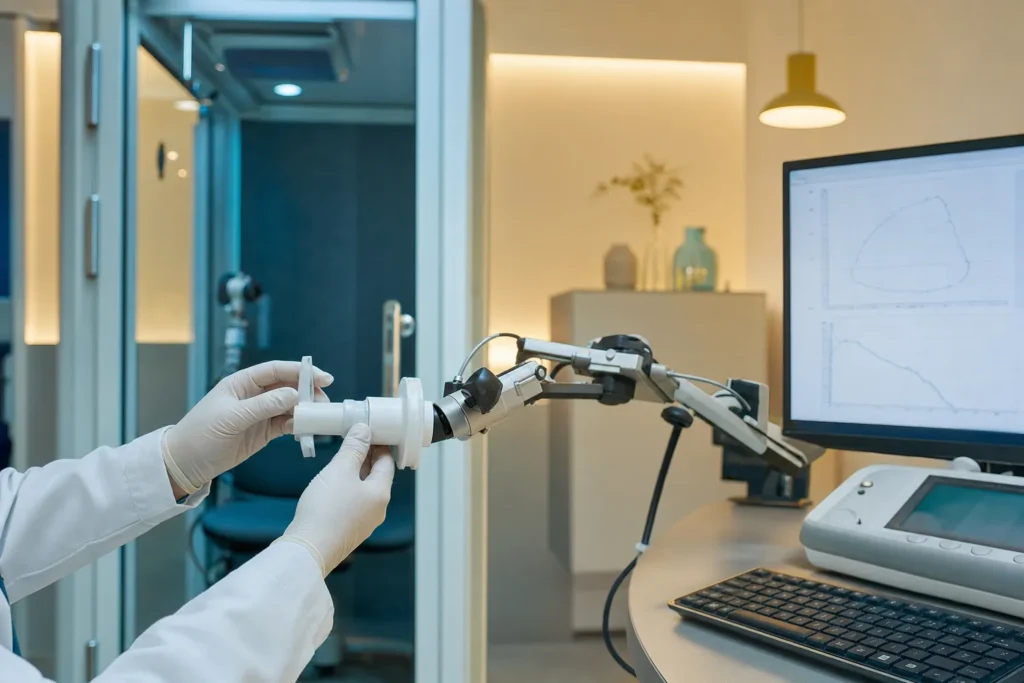
The key test is a breathing test called spirometry. You breathe out as hard and fast as you can into a small machine. It measures how much air you can blow out in the first second (called FEV1, short for forced expiratory volume in one second) and how much you can blow out in total (called FVC, forced vital capacity). The ratio between these two numbers tells the doctor whether your airways are obstructed. Spirometry also helps tell COPD apart from other conditions such as asthma.
Other tests may be used to build a fuller picture or rule out other causes:
- Chest X-ray or CT scan to look at the lungs and check for other problems.
- Pulse oximetry, a painless clip on the finger that estimates the oxygen level in your blood.
- Blood tests, sometimes including a check for alpha-1 antitrypsin deficiency, especially in younger patients or non-smokers.
- An arterial blood gas test in more advanced cases, to measure oxygen and carbon dioxide accurately.
- An ECG (heart tracing) to check the heart, since heart conditions can cause similar symptoms.
Staging. Doctors often grade how much airflow is reduced using the FEV1 result, on a scale commonly described in four stages (mild, moderate, severe, and very severe). They also consider how many symptoms you have and how often you get flare-ups. This staging helps guide treatment; it is not a verdict on your future.
Treatment options
While the damage already done to the lungs cannot be undone, treatment can ease symptoms, reduce flare-ups, and help you stay active. Care is usually delivered by a multidisciplinary team, which may include a lung specialist (pulmonologist), specialist nurses, physiotherapists, pharmacists, and dietitians.
Stopping smoking. If you smoke, this is the most effective single treatment. The NHS describes it as the best way to stop COPD getting worse. Support, medicines, and nicotine replacement greatly improve the chances of success.
Inhalers. These deliver medicine straight to the airways. They include:
- Short-acting bronchodilators (such as salbutamol or ipratropium), used as needed to relieve breathlessness by relaxing and widening the airways.
- Long-acting bronchodilators, used regularly once or twice a day for ongoing symptoms.
- Steroid inhalers, which reduce airway inflammation and are often combined with long-acting bronchodilators when needed.
Tablets and other medicines. These may include mucus-thinning medicines (mucolytics) to make phlegm easier to cough up, short courses of steroid tablets and antibiotics during flare-ups, and, in selected cases, medicines such as theophylline or roflumilast.
Pulmonary rehabilitation. This is a structured programme of supervised exercise and education, usually over several weeks. It is one of the most beneficial things many people can do: it builds fitness, teaches breathing and energy-saving techniques, and offers practical and emotional support.
Oxygen and breathing support. Some people with low blood oxygen benefit from long-term oxygen therapy at home. During severe flare-ups, a mask-based breathing support called non-invasive ventilation may be used in hospital.
Vaccinations. Flu and pneumococcal (pneumonia) vaccines are recommended to lower the risk of serious chest infections.
Surgery. This is considered only in selected severe cases and includes removing large damaged air pockets (bullectomy), lung volume reduction to remove the most damaged tissue, and, rarely, lung transplant. Each carries significant risks and is decided carefully by a specialist team.
Outlook: what to expect
COPD is a long-term condition, and the outlook varies a great deal from person to person. Many people live for years, even decades, after diagnosis, particularly when the condition is found early and managed well. The single biggest factor within your control is stopping smoking, which slows the decline in lung function at any stage.
It is honest to say that COPD tends to progress over time, and in more advanced stages (the severe and very severe ranges) it can shorten life expectancy. Cleveland Clinic notes that, on average, people in the more advanced stages may have a life expectancy several years shorter than otherwise expected. It is just as important to understand what these figures are and are not: they are population averages, drawn from large groups of people, and they cannot predict what will happen to any one individual. Two people with the same test results can have very different journeys, depending on age, other health conditions, fitness, vaccinations, and how consistently they follow their treatment plan.
If you have questions about your own outlook, the best person to ask is the specialist who knows your full picture. They can give context that no general article can. What general guidance can offer is encouragement: the daily steps that help, such as not smoking, staying active, taking inhalers correctly, getting vaccinated, and treating flare-ups early, genuinely make a difference to how you feel and how the condition unfolds.
Living with COPD and follow-up
Most people with COPD manage their condition at home with regular check-ups. A few habits make daily life easier:
- Keep moving. It can feel counterintuitive when you are breathless, but regular gentle exercise strengthens the muscles that help you breathe and improves stamina. Pulmonary rehabilitation is an excellent way to start safely.
- Use your inhalers correctly. A surprising amount of benefit is lost through inhaler technique problems. Ask a nurse or pharmacist to watch you use yours and correct anything.
- Have a flare-up plan. Many people are given a written action plan, and sometimes a "rescue pack" of medicines, so they know what to do at the first sign of a flare-up. Acting early can prevent a hospital stay.
- Eat well and stay a healthy weight. Both being underweight and being overweight can make breathing harder.
- Protect against infections with recommended vaccines and good hand hygiene, since chest infections are a common trigger for flare-ups.
- Look after your mood. Living with breathlessness can bring anxiety or low mood. This is common and treatable; tell your care team, who can help.
Follow-up usually involves periodic reviews of your symptoms, inhaler technique, and breathing tests, with adjustments to treatment as needed. Keeping a simple note of how often you feel breathless and how many flare-ups you have had between visits helps your team tailor your care.
Planning treatment abroad: what affects cost and how to prepare your records
If you are thinking about arranging COPD assessment or treatment abroad, it helps to understand what shapes the overall cost so you can plan realistically. We do not list prices here because they depend heavily on your individual situation; instead, a free consultation can give you a personalised estimate.
Factors that typically affect the cost of COPD care include:
- What you actually need. A diagnostic work-up (spirometry, imaging, blood tests) is very different from ongoing medical management, a course of pulmonary rehabilitation, or a surgical procedure such as lung volume reduction.
- The tests and scans required, which vary depending on your stage and whether other conditions need ruling out.
- The length of any hospital stay and the level of care needed, particularly around procedures or severe flare-ups.
- Medicines and equipment, such as inhalers, nebulisers, or home oxygen.
- Travel, accommodation, and translation or coordination services for you and anyone travelling with you.
- Follow-up arrangements, including how your home doctors will continue your care afterwards.
To prepare, gather your medical records in advance. Helpful items include previous spirometry and lung function results, recent chest X-rays or CT scans (ideally the image files, not just reports), a current list of all your medicines and inhalers with doses, a summary of your flare-up history and any hospital admissions, vaccination records, and details of other health conditions. Having these ready lets a specialist give accurate advice and avoids repeating tests unnecessarily.
Why Turkiye, and how to choose a good centre
Turkiye has become a well-known destination for medical care, including respiratory medicine, with modern hospitals and experienced specialist teams that regularly care for international patients. Many centres offer coordinated services such as airport pickup, interpreters, and help with appointments, which can make a complex trip more manageable.
Rather than looking for any single "best" hospital, focus on verifiable signs of quality. Things worth checking include:
- Accreditation. Look for international accreditation such as Joint Commission International (JCI), which signals that a hospital meets recognised safety and quality standards.
- A genuine multidisciplinary team. Good COPD care involves pulmonologists (lung specialists) working alongside physiotherapists, specialist nurses, and, where relevant, thoracic surgeons.
- Specialist experience. Ask about the team's experience with COPD specifically, including pulmonary rehabilitation and, if relevant, surgical options.
- Clear communication. Confirm that you will receive written reports, a clear treatment plan, and information you can share with your doctors at home.
- Continuity of care. Ask how follow-up and any complications will be handled once you return home.
It is reasonable to ask direct questions about who will be treating you, what the plan is, and what it includes. A trustworthy centre will welcome those questions and answer them clearly. A consultation can help you compare options and understand what a specific programme would involve for your situation.
Prevention and self-care
The encouraging truth about COPD is how much can be prevented or slowed. Whether you are trying to avoid COPD or to keep existing COPD from getting worse, the most powerful steps are the same.
- Do not smoke, and stop if you do. This is the most effective measure for prevention and for protecting lungs already affected. Support and medicines make quitting far more achievable, so ask for help rather than relying on willpower alone.
- Avoid lung irritants. Limit exposure to secondhand smoke, dust, and fumes. If you work with dusts or chemicals, use the recommended protective equipment and follow safety guidance.
- Improve the air you breathe at home where possible, including good ventilation when cooking or heating with solid fuels.
- Stay vaccinated against flu and pneumococcal pneumonia, and follow advice on other recommended vaccines, to reduce serious chest infections.
- Stay active and eat well. Regular movement and a balanced diet support your lungs, muscles, and overall resilience.
- Act early on symptoms. If you notice a lasting cough, regular phlegm, or growing breathlessness, see a doctor. Early assessment gives you the most options.
If you would like a clearer sense of what assessment or treatment might involve for your own situation, speaking with a qualified specialist, or arranging a free consultation, is a sensible next step. None of the information here replaces personal medical advice from a doctor who can examine you and review your records.
Frequently asked questions
Is COPD the same as asthma?
Can COPD be cured?
What is the most important thing I can do if I have COPD?
How is COPD diagnosed?
Should I be screened for COPD if I feel fine?
What is a COPD flare-up (exacerbation)?
What is alpha-1 antitrypsin deficiency?
Does COPD shorten life expectancy?
Will I need oxygen or surgery?
Is exercise safe if I get breathless?
What does COPD treatment cost in Turkiye?
How should I prepare my records before travelling for care?
This article is for general information only and is not medical advice. Always consult a qualified doctor about your individual case.
Considering this procedure?
Send us your photos and questions. A BergemHealth coordinator and a department-head specialist will review your case and reply with honest, personalised guidance — no obligation.
Free consultation