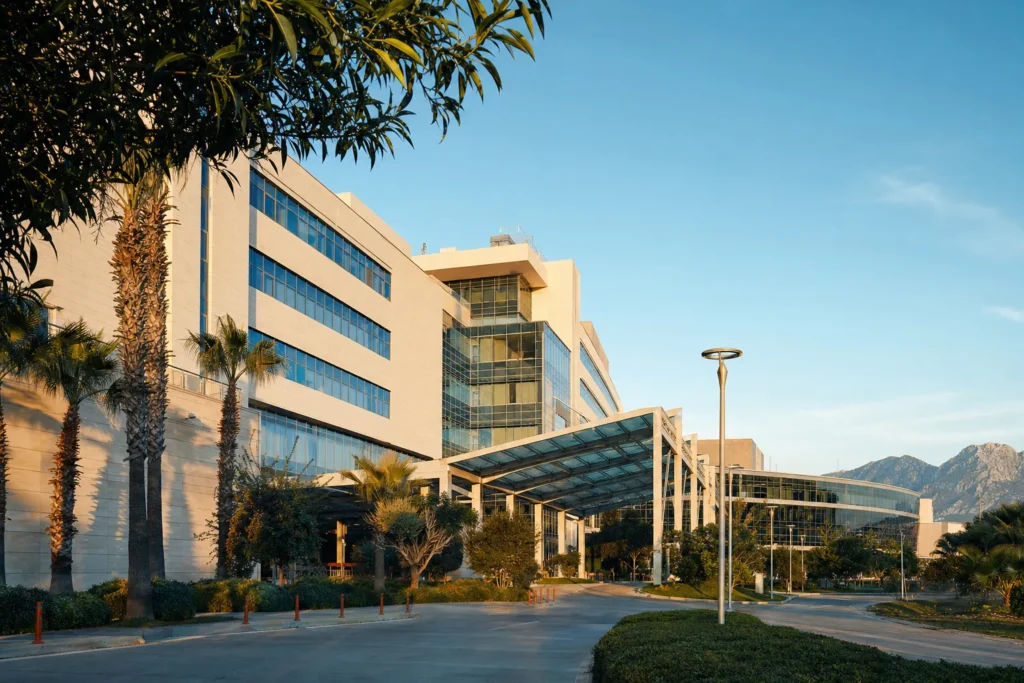
- A first for Türkiye. Akdeniz University (Antalya) has established the country’s first university-based CAR-T and cellular-therapies production centre.
- Licensed and preparing for patients. The centre received its licence in spring 2026 and is preparing its first treatments; as of early October 2026, no treated patient has been publicly reported.
- Made in Türkiye. The cells will be engineered locally — until recently, Turkish patients’ cells were typically sent to Israel, Germany, the UK or the USA and flown back.
- Led by transplant pioneers. The team includes Prof. Dr. Ömer Özkan — who performed Türkiye’s first face transplant and the world’s first uterus transplant from a deceased donor — and Rector Prof. Dr. Özlenen Özkan.
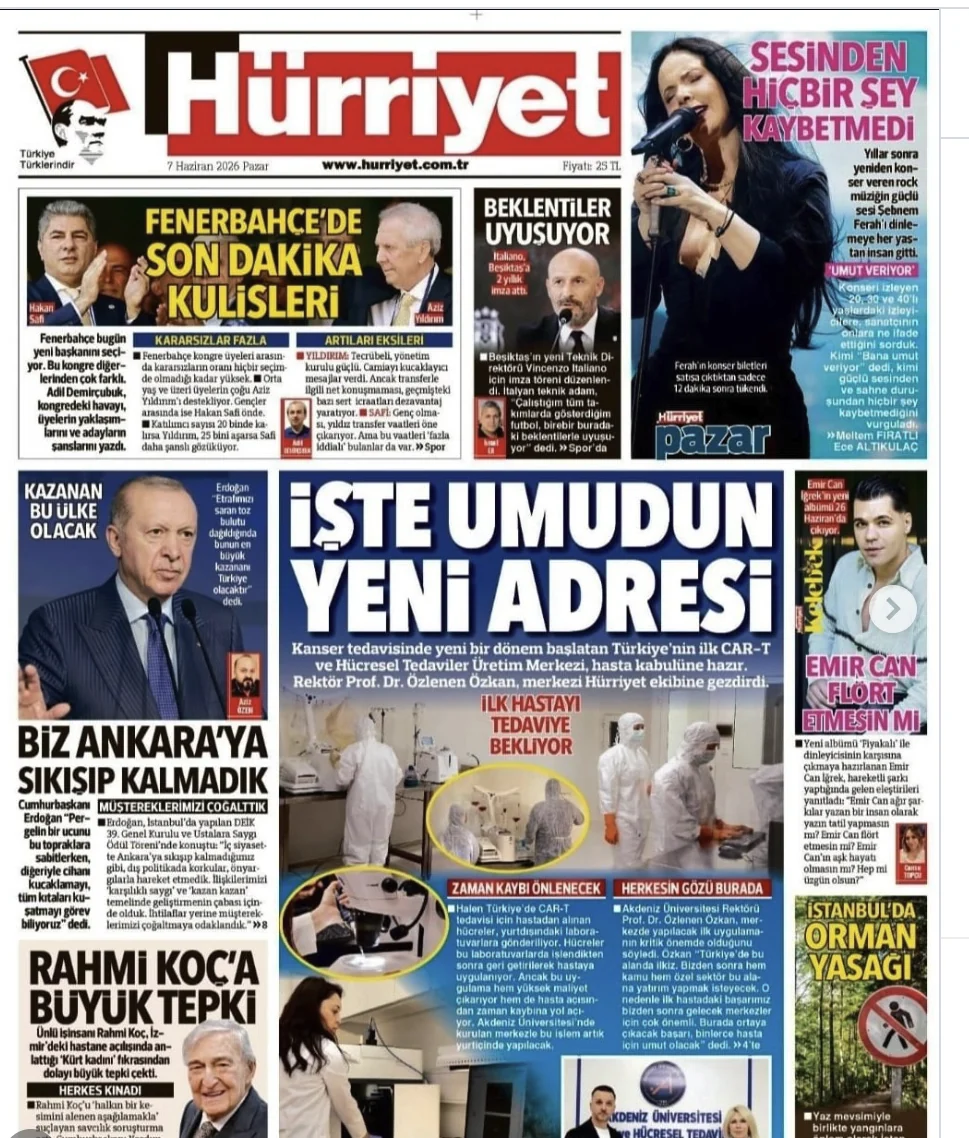
- National attention. The centre featured on the front page of Hürriyet (June 2026) and was presented to Türkiye’s President at the Antalya Diplomacy Forum.
- Honest scope. CAR T is established for blood cancers; for bowel and lung cancer it remains investigational, available only within clinical trials.
“The new address of hope”
Under the front-page headline “İşte umudun yeni adresi” — “Here is the new address of hope” — Türkiye’s leading daily Hürriyet reported in June 2026 that Akdeniz University’s new CAR-T and Cellular Therapies Production Centre is ready to receive its first patients. It is the first such centre built on a university basis in the country.
CAR T-cell therapy re-engineers a patient’s own immune cells into a “living drug” that attacks cancer. It has transformed the outlook for several blood cancers — and building the capacity to produce these cells domestically is a genuine milestone for Turkish medicine. (How CAR T-cell therapy works — our complete guide.)
Made in Türkiye: why a production centre matters
The significance is practical, not symbolic. CAR T-cell therapy requires a patient’s T-cells to be collected, genetically re-engineered and grown in a specialised laboratory before being returned. Until recently, Turkish patients’ cells were typically shipped to laboratories abroad — in Israel, Germany, the UK or the USA — and flown back, adding weeks and cost.
By manufacturing the cells inside Türkiye, the Akdeniz centre is designed to cut that delay and expense — and to make advanced cell therapy more reachable for patients who would otherwise travel much further. Akdeniz frames it as treating patients “in their own country, with their own doctors, at international standards.”
Backed by Türkiye’s transplant pioneers
The programme carries unusual institutional weight. Akdeniz University is internationally known for its transplantation surgery — including Türkiye’s first full face transplant and the world’s first uterus transplant from a deceased donor, performed by Prof. Dr. Ömer Özkan and his team. The university’s Rector, Prof. Dr. Özlenen Özkan, personally presented the new centre to the press.
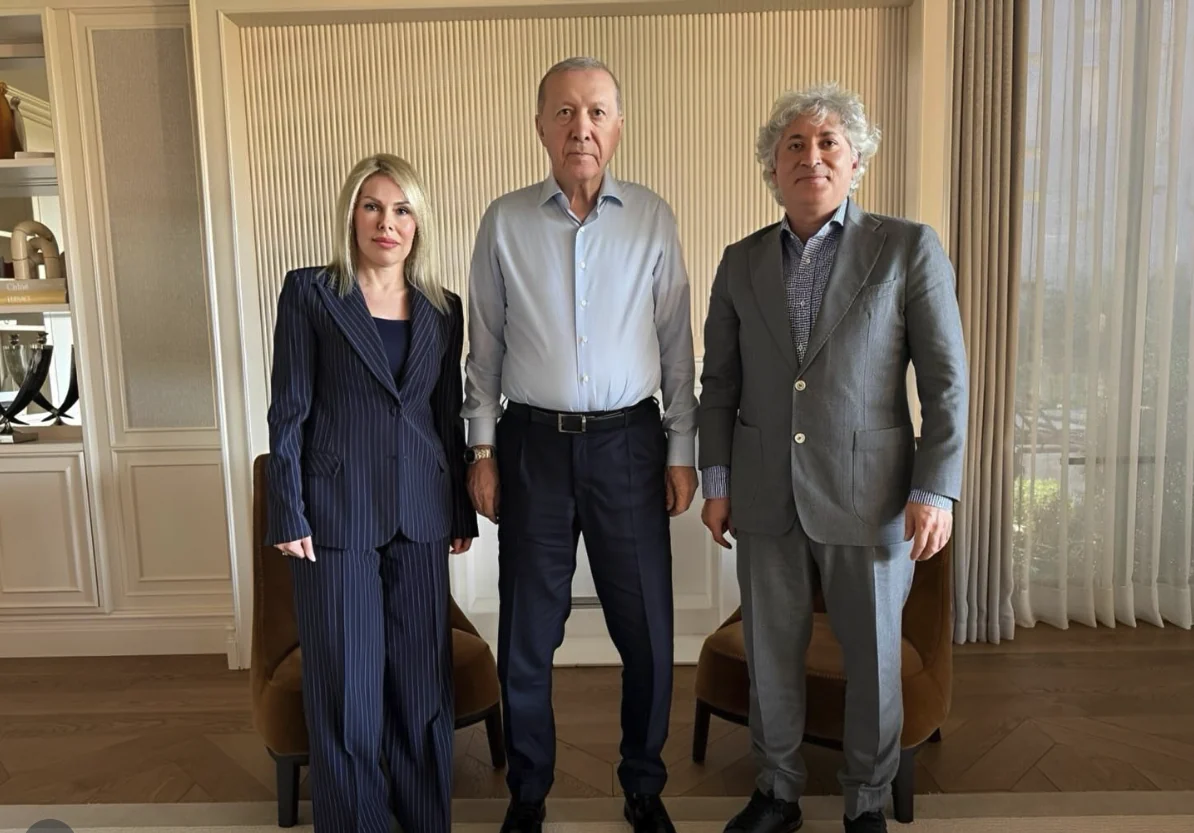
The project’s status was also briefed to Türkiye’s President, Recep Tayyip Erdoğan, during the Antalya Diplomacy Forum.
What it means for international patients
For patients abroad considering treatment in Türkiye, the honest picture has two parts:
- Blood cancers — established. CAR T-cell therapy for leukaemias, lymphomas and myeloma is the proven, standard use.
- Bowel and lung cancer — investigational. For colorectal and lung cancer, CAR T work is still confined to clinical trials; it is not yet routine approved therapy, and eligibility is confirmed case by case. (where solid-tumour CAR T stands in 2026.)
Why BergemHealth. As a direct partner of Akdeniz University, we help our patients reach the most advanced treatment technologies quickly and handle the paperwork for them, in direct contact with the treating professors; places in the CAR T programme are allocated by the clinical team on medical criteria. Before you travel, we arrange a free review of your case by the treating team, with no obligation — so you know whether CAR T (or a trial) genuinely fits.
Book your free consultation →Read the full CAR T-cell therapy guide →