Ulcerative colitis
Ulcerative colitis is a long-term condition in which the lining of the large bowel becomes inflamed and develops small sores. It can feel unsettling to live with, but for most people it is manageable: symptoms tend to come and go, and modern treatments can calm the inflammation and keep you well for long stretches. This guide explains, in plain language, what ulcerative colitis is, how it is diagnosed and treated, and how to prepare if you are considering care abroad.
What ulcerative colitis is
Ulcerative colitis is a long-term (chronic) condition in which the colon and rectum become inflamed. The colon is your large bowel; the rectum is the last section, just before the anus. In ulcerative colitis the inner lining of these areas becomes red, swollen and develops tiny sores called ulcers, which can bleed and produce mucus or pus.
It is one of the two main forms of inflammatory bowel disease (IBD); the other is Crohn's disease. The key difference is that ulcerative colitis affects only the large bowel and involves a continuous area of the surface lining, while Crohn's can affect any part of the digestive tract and goes deeper into the bowel wall.
Doctors believe ulcerative colitis is an autoimmune-type condition: the immune system, which normally fights infection, mistakenly treats harmless bacteria in the bowel as a threat and attacks the lining, causing ongoing inflammation. It is not caused by something you ate or did, it is not contagious, and you cannot pass it to anyone else.
Ulcerative colitis is reasonably common. The NHS estimates it affects around 1 in every 227 people in the UK, and it is among the most frequent forms of IBD in North America and Europe, where it affects up to roughly 1 in 250 people. Most people are first diagnosed between the ages of 15 and 30, although it can begin at any age, including in later life.
Types and subtypes
Ulcerative colitis is usually grouped by how much of the large bowel is inflamed. The location helps your doctor choose treatment and decide which medicines, and which form of them, are likely to work best.
- Ulcerative proctitis - inflammation is limited to the rectum. This is often the mildest form, and the main symptom may simply be rectal bleeding.
- Proctosigmoiditis - inflammation involves the rectum and the lower part of the colon (the sigmoid colon).
- Left-sided colitis - inflammation extends up the left side of the colon.
- Extensive colitis or pancolitis - inflammation affects most or all of the colon.
The condition is also described by how active it is: from mild, through moderate, to severe, depending on how many times a day you open your bowels, how much bleeding there is, and how unwell you feel. A rare and serious form called fulminant or acute severe colitis needs urgent hospital care.
The pattern over time matters too. Most people experience flare-ups (periods when symptoms return or worsen) separated by remission (weeks, months or longer with few or no symptoms). One of the main aims of treatment is to make remission longer and flare-ups less frequent.
Causes and risk factors
The exact cause of ulcerative colitis is not fully understood. The current understanding is that it results from a combination of an overactive immune response, genetic make-up, the balance of bacteria in the gut, and environmental factors. In short, in someone who is genetically prone, the immune system over-reacts to the normal bacteria living in the bowel and keeps the lining inflamed.
Things linked with a higher chance of developing ulcerative colitis include:
- Age - it most commonly starts between 15 and 30, with a second smaller peak in older adults.
- Family history - having a close relative (parent, brother or sister) with IBD increases your risk. Around 1 in 5 people with ulcerative colitis have an affected first-degree relative.
- Ethnic background - it is more common in white people of European descent, and the risk is higher again in people of Ashkenazi Jewish descent, though it occurs in every population.
- Gut bacteria - people with ulcerative colitis tend to have a different balance of bowel bacteria, though it is not clear whether this is a cause or a consequence.
It is worth being clear about what does not cause ulcerative colitis. Stress and particular foods do not cause the disease, although they may trigger or worsen symptoms once you have it. Nothing you ate, drank or worried about brought this on.
Signs and symptoms (and when to see a doctor)
Symptoms vary a great deal from person to person, and about half of people have relatively mild symptoms. The most common signs are:
- Diarrhoea, often with blood, mucus or pus.
- An urgent need to empty the bowels, and going more often than usual (in more active disease, four or more times a day).
- Tummy (abdominal) cramps and pain.
- Tenesmus - a feeling that you need to open your bowels even when there is little or nothing to pass.
- Tiredness (fatigue), loss of appetite and weight loss.
Because the bowel can lose blood, some people develop anaemia (a low level of red blood cells), which adds to the tiredness. During flare-ups, some people also notice symptoms beyond the gut, such as joint pain and swelling, sore red eyes, mouth ulcers and skin rashes. These extra-intestinal symptoms affect roughly a quarter of people.
See a doctor if you have ongoing changes in your bowel habits, blood in your poo, persistent tummy pain, or unexplained tiredness or weight loss. Seek urgent medical help if you have a flare-up with severe tummy pain, a high temperature, a fast heartbeat, heavy bleeding or signs of dehydration (such as feeling dizzy, passing little urine or a very dry mouth). These can be signs of a severe flare that needs hospital treatment.
Screening and early detection
There is no routine population screening test that finds ulcerative colitis before symptoms appear. The condition is usually picked up because someone goes to their doctor with symptoms such as bloody diarrhoea or persistent tummy pain. So the most useful step is simply not to ignore those symptoms, and to get checked rather than putting it down to something you ate.
Screening is, however, very important after diagnosis, but for a different reason. Long-standing inflammation of the colon raises the risk of bowel cancer over time, so people with ulcerative colitis are offered regular surveillance colonoscopy - a camera examination of the bowel that looks for early warning changes long before they would cause problems.
When this surveillance starts and how often it is repeated depends on how much of the bowel is affected, how long you have had the condition, how active the inflammation has been, and whether you have a related liver condition called primary sclerosing cholangitis. Your IBD team will agree a personalised schedule with you. Attending these appointments is one of the most valuable things you can do for your long-term health.
How it is diagnosed
No single test diagnoses ulcerative colitis. Doctors combine your symptoms with a series of tests to confirm the diagnosis and to rule out infections and other conditions that can look similar.
- Blood tests - to check for anaemia, signs of inflammation, and your general health.
- Stool (poo) tests - to look for inflammation in the bowel (a marker called faecal calprotectin) and to rule out infections that cause similar symptoms.
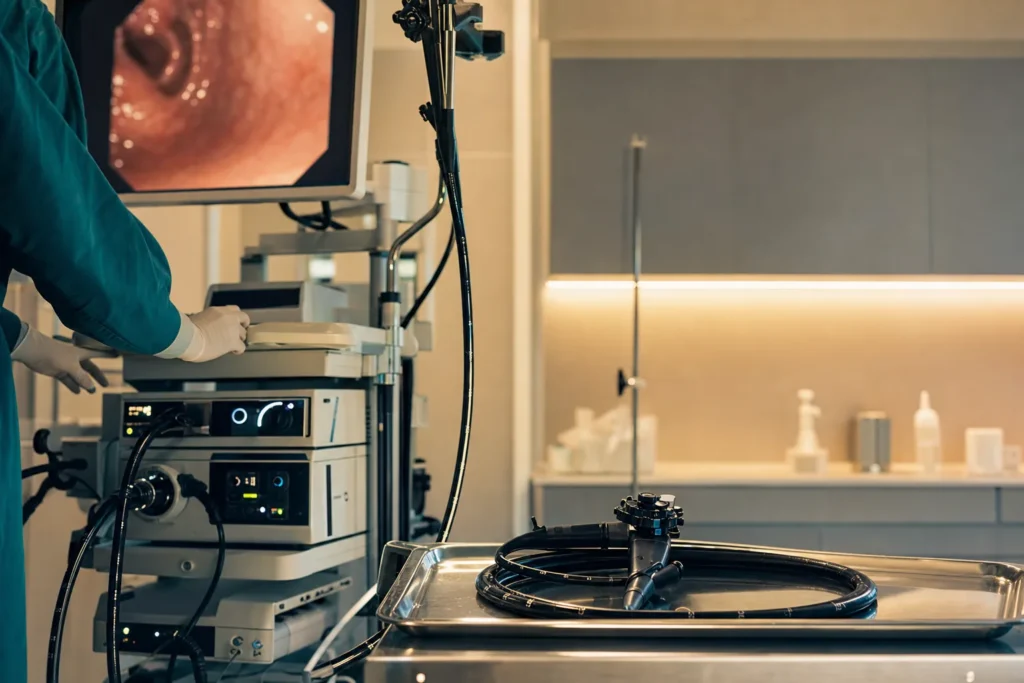
- Colonoscopy or sigmoidoscopy - a thin, flexible tube with a tiny camera is passed into the bowel so the doctor can see the lining directly. A colonoscopy examines the whole colon; a sigmoidoscopy looks at the lower part. This is the key test for ulcerative colitis.
- Biopsy - small samples of the bowel lining are taken painlessly during the camera test and examined under a microscope. This confirms the diagnosis and distinguishes ulcerative colitis from Crohn's disease.
- Imaging - such as CT or MRI scans, sometimes used to assess the extent of inflammation or check for complications.
Unlike many cancers, ulcerative colitis is not given a numbered stage. Instead, doctors describe it by its location (proctitis, left-sided, extensive) and its activity (mild, moderate or severe). This combination guides the treatment plan.
Treatment options
There are two broad aims of treatment: to bring an active flare under control (induce remission) and then to keep you well (maintain remission). Treatment is tailored to how much of the bowel is involved and how severe the inflammation is, and it is usually delivered by a multidisciplinary team - typically a gastroenterologist (gut specialist), an IBD nurse, a colorectal surgeon when needed, plus dietitians and pharmacists.
Medicines are the mainstay for most people. The main groups are:
- Aminosalicylates (such as mesalazine and sulfasalazine) - anti-inflammatory medicines used for mild to moderate disease and to maintain remission. They can be taken by mouth or given directly into the rectum as suppositories or enemas.
- Corticosteroids (such as prednisolone or budesonide) - used short-term to settle a flare. They are not used long-term because of side effects such as bone thinning.
- Immunosuppressants (such as azathioprine) - calm the over-active immune system and help maintain remission.
- Biologic medicines (such as infliximab, adalimumab, vedolizumab and ustekinumab) - targeted treatments for moderate to severe disease.
- Newer small-molecule medicines (such as JAK inhibitors like tofacitinib and upadacitinib) - tablets used when other treatments have not worked.
Surgery may be recommended if medicines do not control the disease, in an emergency such as a severe flare, or to prevent or treat cancer. The usual operation removes the colon and rectum. The surgeon then either creates an internal pouch from the small intestine joined to the anus (an ileoanal pouch or J-pouch, usually done in two or three stages), or brings the end of the small intestine to an opening on the abdomen with an external bag (an ileostomy). Removing the whole colon and rectum cures the colitis itself, although it is a major step that the team will discuss carefully with you. Estimates suggest around a third of adults with ulcerative colitis eventually need surgery.
Supportive care matters too: treating anaemia, protecting bone health when steroids are used, managing pain sensibly, and looking after emotional wellbeing.
Outlook and what to expect
It is reasonable to feel anxious after a diagnosis, but for most people the long-term outlook is good. Ulcerative colitis is a life-long condition that is controlled rather than cured by medicines, and many people achieve long periods of remission with few or no symptoms and lead full, active lives, including work, travel, relationships and having children.
The typical course is one of flare-ups and remissions. The balance between them varies: some people have very few flares over many years, while in up to around 30% of people symptoms become more troublesome over time and may eventually lead to surgery. Surveillance colonoscopy reduces the long-term cancer risk by catching changes early.
It is important to understand that these are population-level patterns, not a prediction for you as an individual. How your condition behaves depends on the extent and severity of inflammation, how well it responds to treatment, and how closely the plan is followed. Your own gastroenterologist, who knows your test results and history, is the right person to talk to about what to expect in your situation.
Living with it and follow-up
Living well with ulcerative colitis is largely about partnership with your IBD team and steady self-management. A few practical points help most people:
- Take medicines as prescribed, even when you feel well - stopping maintenance treatment is a common reason flares return.
- Eat a normal, balanced diet and stay hydrated. There is no single diet that suits everyone. During a flare, smaller more frequent meals or temporarily lower-fibre foods may help. Keeping a food diary can reveal your personal trigger foods, but avoid cutting out whole food groups without advice from a dietitian, as this risks poor nutrition.
- Manage stress with exercise, relaxation and support; while stress does not cause the disease, it can make symptoms feel worse.
- Attend follow-up appointments and surveillance colonoscopies, and contact your IBD team promptly when a flare begins so treatment can be adjusted early.
Pregnancy is usually safe and successful. Fertility is generally not reduced by the condition itself, although pouch surgery can affect fertility in women. Flare-ups during pregnancy can raise the chance of early delivery, so it is best to plan ahead and aim for good control before conceiving. Most medicines can be continued, but a few need review, so always discuss your treatment with your team before trying for a baby.
Planning treatment abroad: what affects cost and how to prepare
Ulcerative colitis is a long-term condition managed mostly with medicines and monitoring, with surgery for some people, so the cost of care abroad is not a single fixed figure. It depends on a number of factors, and the best way to understand your own situation is to request a personalised estimate after a free consultation, when the team can review your records.
Factors that affect the overall cost and plan include:
- Whether you need diagnostic work (colonoscopy with biopsies, blood and stool tests, imaging) or already have a confirmed diagnosis.
- The type of treatment - for example, standard tablets and enemas versus biologic or small-molecule medicines, which are more specialised.
- Whether surgery is needed, and if so which operation and how many stages.
- The length of any hospital stay and the level of follow-up required.
- Additional services such as translation, accommodation and transfers.
To prepare, gather your medical records before you travel: previous colonoscopy and biopsy reports, recent blood and stool results, a list of your current and past medicines with doses, details of past flares and any operations, and any scans on a disc or in digital form. Having these ready means the specialist can give you accurate advice and avoid repeating tests unnecessarily.
Why Turkiye, and how to choose a good centre
Turkiye (Turkey) has become a well-established destination for international patients seeking gastroenterology care, with a number of internationally accredited hospitals, experienced specialists and modern endoscopy facilities, alongside dedicated services for visitors from abroad. As with anywhere, the important thing is to choose carefully rather than by price or marketing alone.
Things worth checking when choosing a centre:
- Accreditation - look for recognised international quality standards, such as Joint Commission International (JCI) accreditation, which sets benchmarks for patient safety and care quality.
- A genuine IBD team - ulcerative colitis is best managed by a gastroenterologist working with IBD nurses, colorectal surgeons, dietitians and pathologists, not by a single individual in isolation.
- Specialist experience - ask how often the team treats inflammatory bowel disease and performs the relevant procedures.
- Clear follow-up arrangements - ulcerative colitis is long-term, so ask how monitoring, repeat colonoscopies and ongoing prescriptions will be coordinated with your doctors at home.
- Transparent communication - written treatment plans, clear costs and proper translation of your records.
Be cautious of anyone promising a guaranteed cure or using superlatives. A trustworthy centre will give you honest, individualised information and encourage a second opinion if you want one.
Prevention, self-care and getting a second opinion
There is currently no known way to prevent ulcerative colitis, because it is not caused by lifestyle or diet. What you can do is reduce flare-ups and protect your long-term health through good self-care and a close working relationship with your medical team.
Helpful self-care steps include:
- Taking maintenance medicines consistently, even in remission.
- Not smoking, and keeping alcohol moderate, for general bowel and overall health.
- Eating a balanced diet, staying hydrated and getting enough rest.
- Keeping up with surveillance colonoscopies to catch any early changes.
- Looking after your mental wellbeing, and using patient support groups, which many people find reassuring.
If your symptoms are not improving, if you are unsure about a recommended operation, or if you simply want reassurance, it is entirely reasonable to seek a second opinion from another qualified specialist. Good clinicians welcome this. There is also ongoing research into new treatments, and your gastroenterologist can tell you whether any clinical trials might be relevant to you. Above all, see a qualified specialist for any decisions about your care; this guide is for general understanding and does not replace personal medical advice.
Frequently asked questions
Is ulcerative colitis curable?
Is ulcerative colitis the same as Crohn's disease?
What does a flare-up feel like?
What causes ulcerative colitis?
Does diet cause or cure ulcerative colitis?
Does ulcerative colitis increase the risk of bowel cancer?
Can I have children if I have ulcerative colitis?
Will I need surgery?
How is ulcerative colitis diagnosed?
What should I bring if I seek treatment abroad?
How do I choose a good hospital in Turkiye?
This article is for general information only and is not medical advice. Always consult a qualified doctor about your individual case.
Considering this procedure?
Send us your photos and questions. A BergemHealth coordinator and a department-head specialist will review your case and reply with honest, personalised guidance — no obligation.
Free consultation