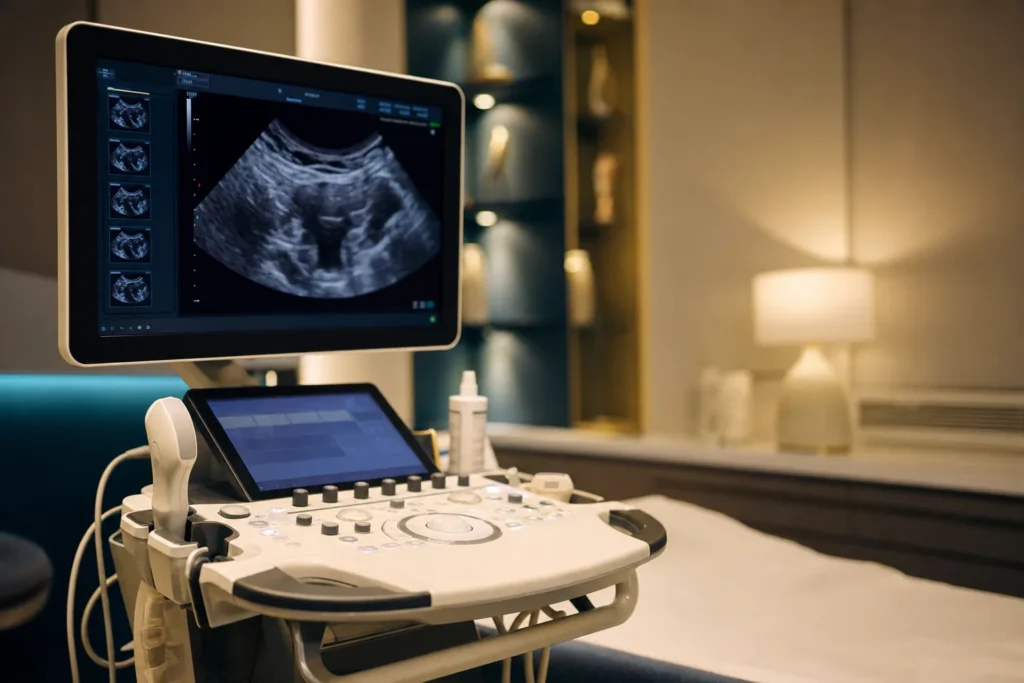
Uterine fibroids
Uterine fibroids are very common, non-cancerous growths in or around the womb. Many cause no trouble at all, and when they do, there are now many ways to ease symptoms and protect your health. This calm, practical guide explains what fibroids are, how they are found and treated, and how to plan care thoughtfully if you are considering treatment abroad.
What uterine fibroids are
Uterine fibroids are growths made of muscle and fibrous (connective) tissue that develop in or around the uterus, also called the womb. Doctors also call them leiomyomas or myomas. The important word to hold onto is this: fibroids are non-cancerous (benign). They are not cancer, and in the great majority of cases they do not become cancer.
They are extremely common. Estimates vary by how people are studied, but a large share of women develop at least one fibroid during their reproductive years, and they are most often found in people in their 30s, 40s and early 50s. The Office on Women's Health notes that roughly 20 to 80 percent of women develop fibroids by age 50. Many people never know they have them, because small fibroids often cause no symptoms at all.
Fibroids can be tiny, smaller than a pea, or they can grow quite large. Cleveland Clinic describes a range from about 1 millimetre to more than 20 centimetres across. You may have a single fibroid or several at once. Their growth is linked to the hormones oestrogen and progesterone, the same hormones that drive the menstrual cycle. This is why fibroids tend to grow during the reproductive years and pregnancy, and usually shrink after menopause, when hormone levels fall.
Types and where they grow
Fibroids are usually grouped by where they sit in or on the wall of the uterus. The location matters because it strongly influences which symptoms you feel and which treatments suit you best.
- Intramural fibroids grow within the muscular wall of the uterus. These are the most common type.
- Submucosal fibroids grow just beneath the inner lining of the uterus and push into the cavity (the open space inside). Even small ones can cause heavy bleeding and may affect fertility.
- Subserosal fibroids grow on the outer surface of the uterus. They can become large and press on nearby organs such as the bladder or bowel.
- Pedunculated fibroids hang from a stalk, either inside the cavity or on the outside, a bit like a mushroom. These are the least common.
Knowing the type helps your doctor explain your symptoms and choose the right approach. For example, a submucosal fibroid causing heavy periods can sometimes be removed through the vagina without any abdominal cuts, while a large subserosal fibroid pressing on the bladder may need a different plan.
Causes and risk factors
The exact cause of fibroids is not fully understood. Experts believe a combination of factors is involved, including your genes and the hormones oestrogen and progesterone, which encourage fibroid tissue to grow. Because fibroids respond to these hormones, they often enlarge when hormone levels are high (such as in pregnancy) and shrink when levels drop (such as after menopause).
Some factors are linked with a higher chance of developing fibroids. Having one or more of these does not mean you will get fibroids, and many people with fibroids have none of them:
- Age during the reproductive years, with fibroids most often found in the 30s to early 50s.
- Family history. The Office on Women's Health reports that having a mother with fibroids can raise your own risk.
- Ancestry. Black women tend to develop fibroids more often, at younger ages, and with larger or more numerous fibroids, according to the Office on Women's Health and other authorities. The reasons are not fully understood.
- Body weight. Being overweight or having obesity is associated with higher risk.
- Starting periods early and not having given birth (no full-term pregnancy) are also linked with higher risk.
- Other factors studied include diet and vitamin D levels, though research is still developing.
It is worth saying clearly: fibroids are not caused by anything you did wrong. They are a common, ordinary part of many women's reproductive health.
Signs, symptoms and when to see a doctor
Many people with fibroids have no symptoms and only learn about them by chance, for example during a routine scan or pelvic check. When fibroids do cause symptoms, common ones include:
- Heavy or prolonged menstrual periods, sometimes with clots.
- Period pain or general pelvic and lower-back aching.
- Bleeding between periods.
- A feeling of fullness, bloating or pressure low in the belly.
- Needing to pass urine often, urgency, or sometimes difficulty emptying the bladder, if a fibroid presses on it.
- Constipation or pressure on the bowel.
- Pain or discomfort during sex.
- In some cases, difficulty getting or staying pregnant, although fibroids causing infertility is uncommon.
Heavy bleeding over time can lead to iron-deficiency anaemia (too few healthy red blood cells), which may leave you tired, pale or short of breath. This is treatable, and it is one reason not to simply put up with very heavy periods.
See a doctor if your periods are heavy enough to disrupt daily life, if you have pelvic pain that painkillers do not control, if you bleed between periods, or if you notice new pressure, bloating or urinary changes. Seek prompt medical advice for sudden, severe pelvic pain, and always have any bleeding after menopause checked, as that needs investigation regardless of fibroids.
Screening and early detection
There is no routine screening programme for uterine fibroids, in the way there is for some cancers. Because fibroids are non-cancerous and so common, there is no recommended test for healthy people without symptoms.
In practice, fibroids are usually found in one of two ways: a doctor feels something during a pelvic examination, or they show up unexpectedly on a scan done for another reason. The most useful step you can take is simply to mention symptoms early, especially heavy periods, pelvic pressure or bleeding between periods, rather than assuming they are just part of normal life. Catching the cause of heavy bleeding early can prevent anaemia and open up the widest range of treatment choices.
If you have a strong family history of fibroids and develop symptoms, it is reasonable to raise that with your doctor so they can examine you and arrange a scan if needed.
How fibroids are diagnosed
Diagnosis usually starts with a conversation about your symptoms and a pelvic examination, in which the doctor gently checks the size and shape of the uterus. Imaging then confirms the picture.
- Ultrasound is the main test. Sound waves create images of the uterus, showing the number, size and location of fibroids. It may be done over the abdomen or with a small probe placed in the vagina (transvaginal ultrasound) for a clearer view.
- MRI scan uses magnets and radio waves to give very detailed images. It is helpful for mapping larger or multiple fibroids and for planning surgery or other procedures.
- Hysteroscopy uses a thin telescope passed through the vagina and cervix to look directly inside the uterine cavity, which is useful for submucosal fibroids.
- Sonohysterography (saline ultrasound) involves gently filling the uterine cavity with sterile fluid during an ultrasound to outline fibroids and the lining more clearly.
- Hysterosalpingography (HSG), an X-ray with a contrast dye, may be used when fertility is a concern, as it also shows the fallopian tubes.
Unlike many cancers, fibroids do not need formal cancer-style staging. Instead, your care team focuses on size, number, location and how much the fibroids are affecting your life, which together guide treatment.
Treatment options
There is no single right treatment. The best choice depends on your symptoms, the size and position of the fibroids, your age, and whether you hope to become pregnant in the future. Care is often shared by a multidisciplinary team, which may include a gynaecologist, a radiologist (imaging and image-guided procedures), an anaesthetist, nurses, and sometimes a fertility specialist.
Watchful waiting. If fibroids cause few or no symptoms, the reasonable option is often simply to monitor them, as small symptom-free fibroids may not need any treatment.
Medicines. These do not usually make fibroids disappear, but they can ease symptoms:
- Pain relief such as ibuprofen or paracetamol (acetaminophen) for cramps and discomfort.
- Tranexamic acid to reduce heavy menstrual bleeding (taken during periods).
- Hormonal options such as the combined pill, progestogen treatments, or a hormone-releasing intrauterine device (IUD), which can lighten bleeding.
- Iron supplements to treat or prevent anaemia from heavy bleeding.
- GnRH agonists (for example, leuprolide), which lower hormone levels to shrink fibroids temporarily, often before surgery. Fibroids usually regrow after the medicine is stopped, so these are typically used short-term.
Procedures that keep the uterus.
- Myomectomy removes fibroids while leaving the uterus in place, an option for those who wish to preserve fertility. Depending on the fibroids, it may be done through a hysteroscope (no abdominal cuts), by keyhole (laparoscopic) surgery, or through an open incision.
- Uterine artery embolization (UAE), also called uterine fibroid embolization, is performed by a radiologist who blocks the blood vessels feeding the fibroids so they shrink.
- Radiofrequency ablation uses heat energy to destroy fibroid tissue.
- MRI-guided focused ultrasound uses focused sound-wave energy, guided by an MRI scanner, to heat and destroy fibroid tissue without cutting.
- Endometrial ablation treats the lining of the uterus to reduce heavy bleeding; it is not suitable if you wish to become pregnant.
Hysterectomy (removal of the uterus) is the only treatment that permanently removes fibroids and stops them returning, but it ends the ability to carry a pregnancy, so it is reserved for those who have completed their family or have severe symptoms. As with any surgery, these procedures carry some risk of bleeding, infection and anaesthesia-related effects, which your team will discuss with you.
Outlook and what to expect
For most people, the outlook with fibroids is reassuring. They are non-cancerous, and many cause little or no trouble. When symptoms do occur, today's range of medicines and procedures can usually control them well and protect your health, for example by treating anaemia from heavy bleeding.
Fibroids can change over time. They may grow slowly, stay the same, or shrink, partly depending on hormone levels. After menopause, when oestrogen and progesterone fall, fibroids commonly shrink and symptoms often ease on their own.
A common worry is cancer. It is important to be clear and accurate here: fibroids themselves are benign, and a cancerous growth of the uterine muscle (a sarcoma) is rare and is generally considered a separate condition rather than a fibroid that has turned cancerous. The Office on Women's Health notes that a cancerous change is found in fewer than 1 in 1,000 cases. Because rapid growth, or a new fibroid-like growth appearing after menopause, can occasionally need closer evaluation, doctors keep an eye on these situations. None of this is a prediction for any individual, and your own care team can put any specific finding in context for you.
Living with fibroids and follow-up
Living well with fibroids is very possible. If you are managing symptoms without surgery, your doctor may suggest periodic check-ups or scans to see whether fibroids are changing in size, and to keep an eye on your blood count if you have heavy periods. Treating anaemia, with iron and by reducing blood loss, can make a real difference to your energy and wellbeing.
Practical steps that many people find helpful include tracking your periods and symptoms (so you and your doctor can see patterns), taking pain relief as advised, and eating a balanced, iron-rich diet if bleeding has left you low in iron. Maintaining a healthy weight may also be sensible, given the link between higher body weight and fibroids.
If you have had a myomectomy, embolization or another uterus-sparing treatment, it is worth knowing that new fibroids can sometimes develop later, so staying in touch with your gynaecologist for follow-up is wise. If you are planning a pregnancy, discuss timing and any delivery considerations with your team, as some treatments and some large fibroids can affect pregnancy and may make a caesarean more likely.
Planning treatment abroad: what affects cost and how to prepare
If you are considering having fibroid treatment in another country, careful planning makes the experience smoother and safer. We do not quote prices in this guide, because the right plan, and therefore the cost, depends entirely on your individual situation. Instead, here is what shapes both the treatment and the overall cost, so you know what questions to ask.
- Which procedure you need. A hysteroscopic fibroid removal, a keyhole myomectomy, an embolization, a focused-ultrasound treatment and a hysterectomy are all different in complexity.
- The fibroids themselves. Their number, size and location affect how long surgery takes and how it is done.
- Anaesthesia and hospital stay. Some treatments are day-case; others need a short inpatient stay.
- Pre-treatment tests and scans, and any preparation such as treating anaemia first.
- Follow-up care and any medicines.
- Travel and accommodation for you and a companion, and translation or coordination support.
To prepare your records, gather your recent imaging (ultrasound or MRI images and reports), a summary of your symptoms and how long you have had them, your menstrual and pregnancy history, any blood test results (especially a recent full blood count for anaemia), a list of medicines and allergies, and details of any previous gynaecological surgery. With these, a specialist can give you a personalised plan. For an estimate tailored to your case, you are welcome to request a free consultation, where your records can be reviewed and your options explained.
Why Turkiye and how to choose a good centre
Turkiye (Turkey) has become a well-known destination for gynaecological and other medical care, with many modern hospitals and a number of internationally accredited centres. International accreditation, such as Joint Commission International (JCI), is one signal that a hospital meets recognised standards for quality and patient safety; Turkey has many JCI-accredited facilities. Accreditation is a starting point, not a guarantee, so it is worth looking carefully at the specific team who would care for you.
When choosing a centre for fibroid treatment, sensible things to verify include:
- The gynaecologist's experience with the specific procedure you need (for example, laparoscopic myomectomy or hysteroscopic resection), and whether image-guided options such as embolization are available with a qualified interventional radiologist.
- Whether care is delivered by a multidisciplinary team, with proper anaesthetic and nursing support.
- Clear information, in a language you understand, about the recommended treatment, alternatives, risks and what recovery involves.
- How follow-up will work once you return home, and how you can reach the team with questions.
- Honest, written explanations rather than promises of guaranteed results. Be cautious of anyone claiming a single approach is universally the best.
A good concierge service can help you compare options, organise your records, arrange interpretation, and coordinate appointments and travel, so you can focus on your health.
Prevention and self-care
There is no proven way to prevent fibroids entirely, because the underlying causes are not fully understood and partly involve genetics and hormones. However, there are reasonable, health-promoting steps that may help your overall wellbeing and may be linked with lower risk.
- Aim for a healthy weight. Higher body weight is associated with a greater chance of fibroids, so weight management may help.
- Eat a balanced diet with plenty of vegetables. Some research has linked diets high in red and processed meats with higher risk and green vegetables with lower risk, although this evidence is not definitive.
- Stay active and keep blood pressure under control as part of general good health.
- Do not ignore heavy periods. Early attention to heavy bleeding can prevent anaemia and give you more treatment choices.
If you already have fibroids, self-care focuses on managing symptoms and protecting your iron levels, while keeping in touch with your doctor. And if you are weighing up treatment, especially surgery, it is always reasonable to seek a second opinion from another qualified specialist so you feel confident in the plan you choose.
Frequently asked questions
Are uterine fibroids cancer?
Do all fibroids need to be treated?
Can I still get pregnant if I have fibroids?
What is the difference between myomectomy and hysterectomy?
Will fibroids come back after treatment?
Do fibroids go away after menopause?
What tests are used to find fibroids?
Can fibroids cause anaemia?
Are there non-surgical treatments for fibroids?
How should I prepare my records for treatment abroad?
Is it worth getting a second opinion?
This article is for general information only and is not medical advice. Always consult a qualified doctor about your individual case.
Considering this procedure?
Send us your photos and questions. A BergemHealth coordinator and a department-head specialist will review your case and reply with honest, personalised guidance — no obligation.
Free consultation